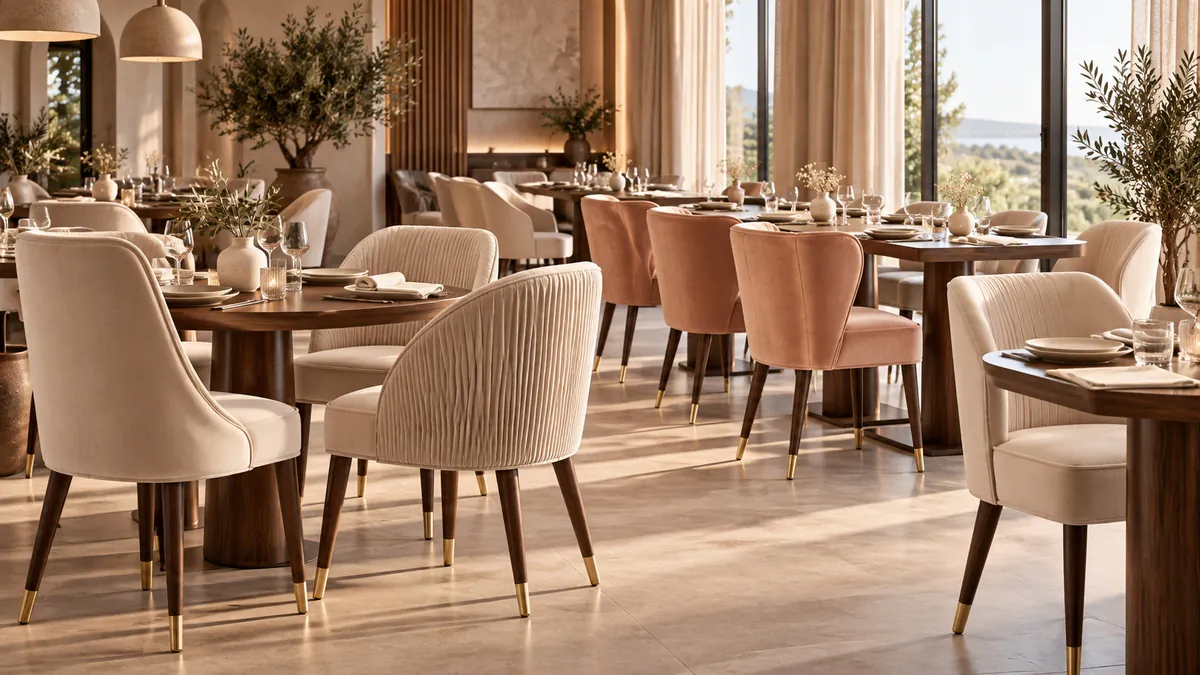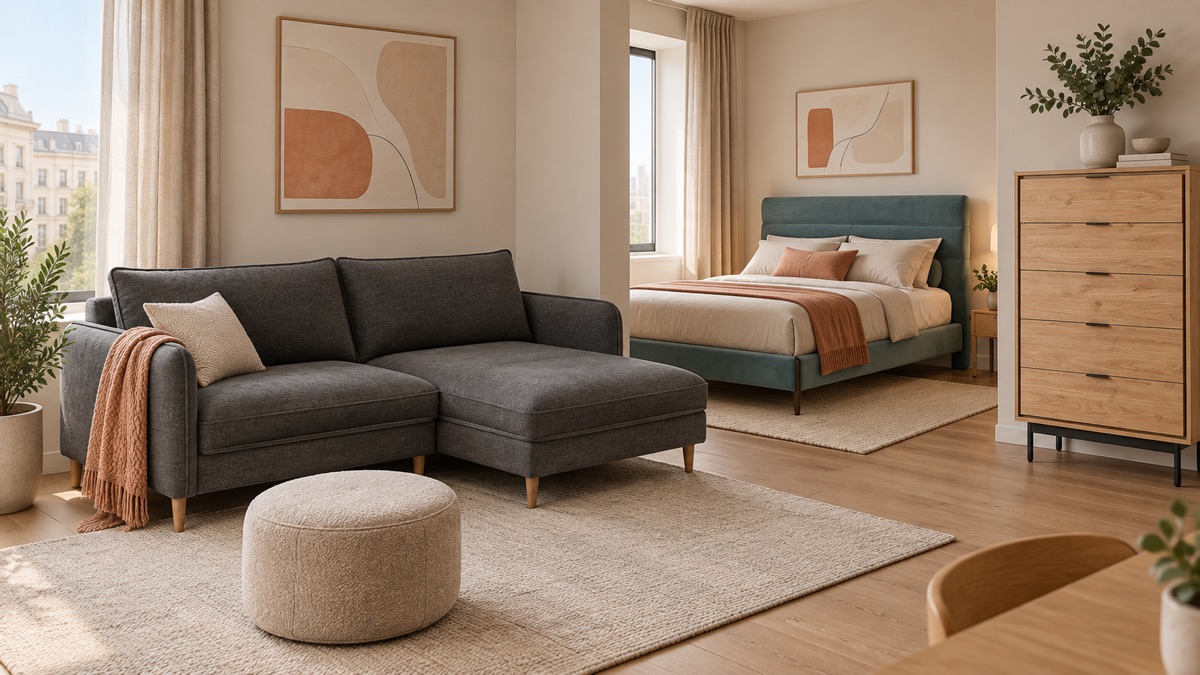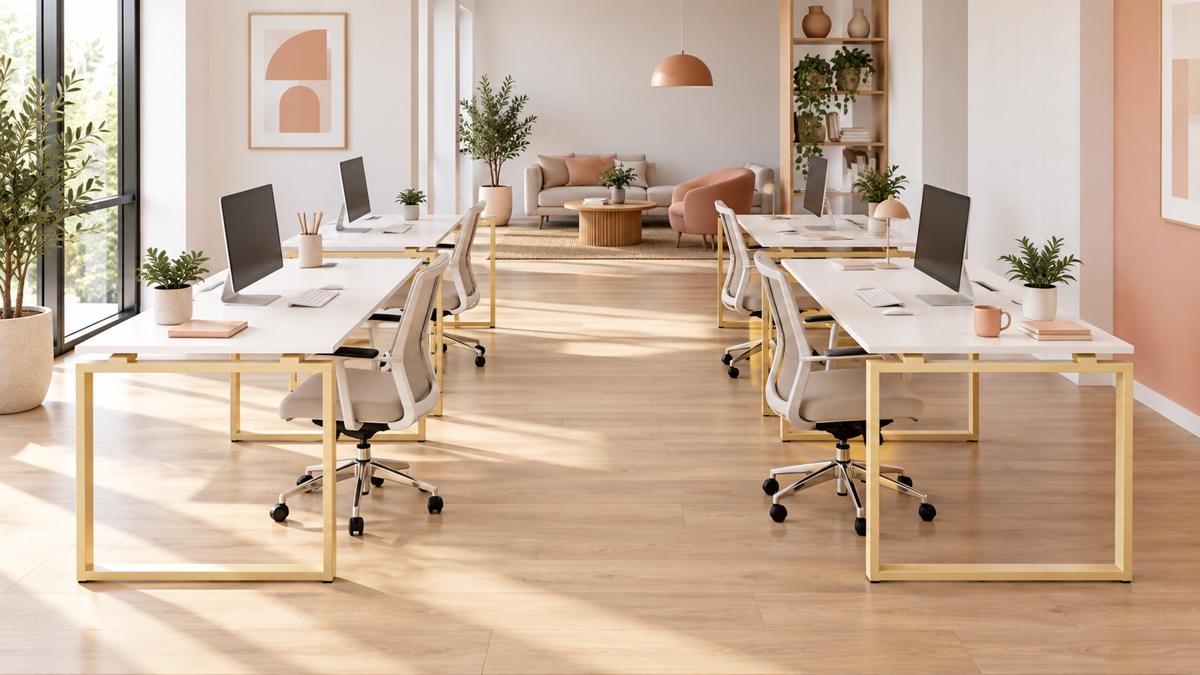


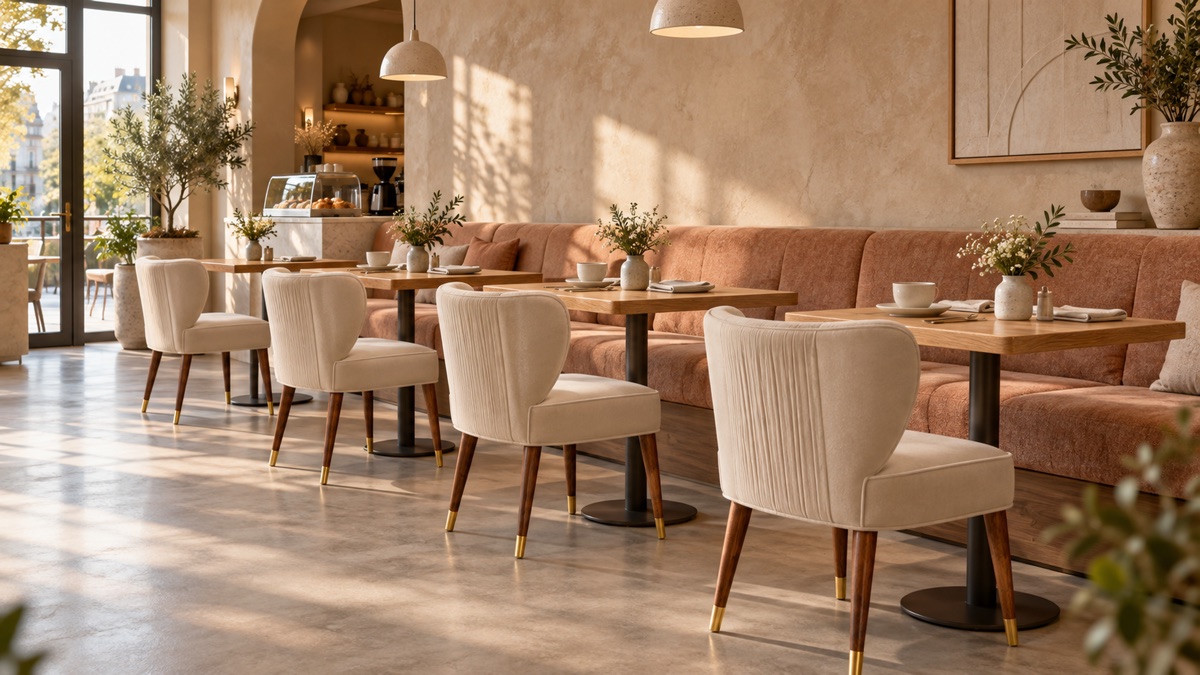
Buying furniture for a venue differs from buying for the home not in quantity but in time horizon. At home, a sofa lives until you get tired of it. In a café it lives until it wears out, and then it is that sofa you need to replace, not "something similar".
Let's look at what that means in practice.
The question to ask first
"Will I be able to order the same again in a year, and in three?"
This matters more than price or lead time. In a venue, furniture fails one piece at a time: one banquette gets soaked, one chair gets broken. If the model or fabric has been discontinued, you put a piece in a different shade into the dining room, and the whole room immediately looks worn.
We are a factory, so a model doesn't "run out of stock": it is made to order. But a fabric collection can change, and this is exactly what to record with the manager at the start: fabric code, colour, tier.
A practical move: order 5–10% more than you need now. One spare chair in the back room costs less than reupholstering the whole row in two years.
Fabric: here the logic is the opposite of the home
At home, the fabric tier is a matter of taste and budget. In a venue it is a matter of economics.
Furniture in a café gets as much contact in a month as a home sofa does in a year. So saving on the fabric tier doesn't work in HoReCa: the price difference between ECO and PREMIUM is 30%, while the difference in service life is much bigger.
What to ask the manager specifically:
- Abrasion resistance: the main parameter for seating in a dining room.
- A protective treatment. In a venue things get spilt every day, and the question isn't "will they spill something" but "can it be wiped off".
- Fade resistance: for furniture near shop windows and floor-to-ceiling windows. It is the most common reason one side of the room looks different a year later.
- Darker shades. Not because they look better, but because stains show less on them between cleans.
A general overview: anti-vandal fabrics: myths and reality and types of upholstery fabric.
Lead times: why a batch isn't "×20"
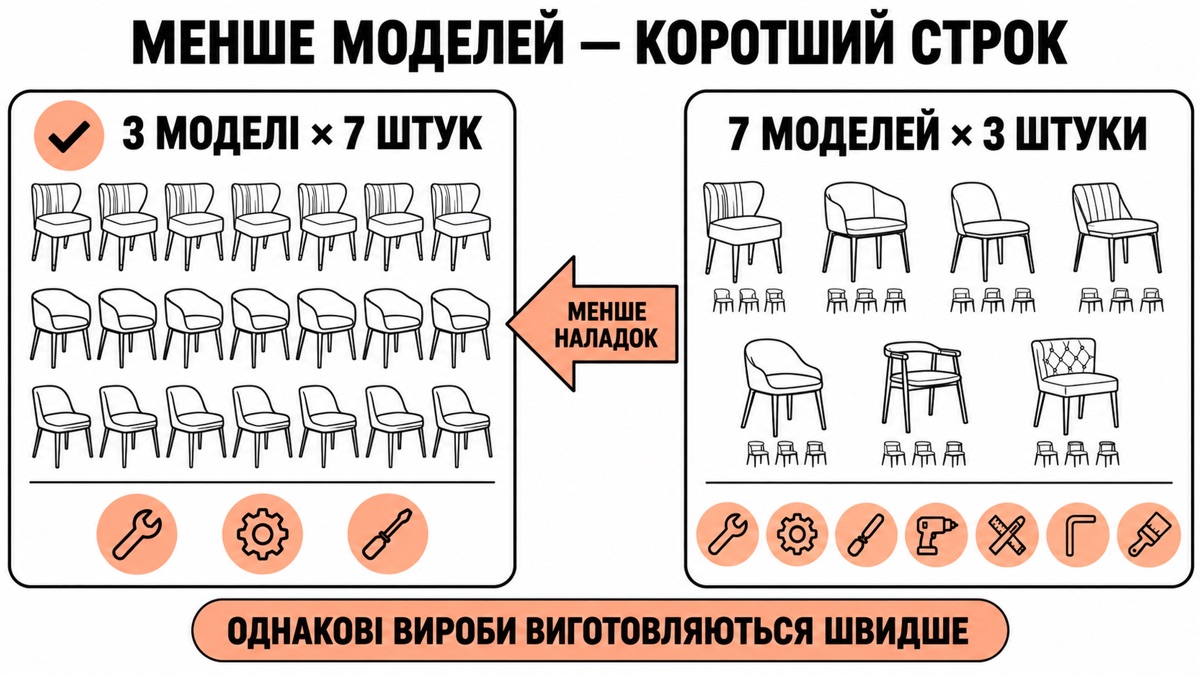
Twenty identical pieces are made faster than twenty different ones, but slower than one. The logic is simple: cutting and set-up are done once per model, while sewing is done for each piece.
What follows from this. Reducing the number of models reduces the lead time. Three models of seven units each are made noticeably faster than seven models of three.
Plan backwards from the opening date. Furniture isn't the last item in the opening schedule but one of the first: after it come installation, arrangement and inspection. The manager will give you the exact lead time for a specific batch, but the conversation should start while you are still approving the dining room layout, not when the renovation is finished.
Layout: the figures that decide the number of covers
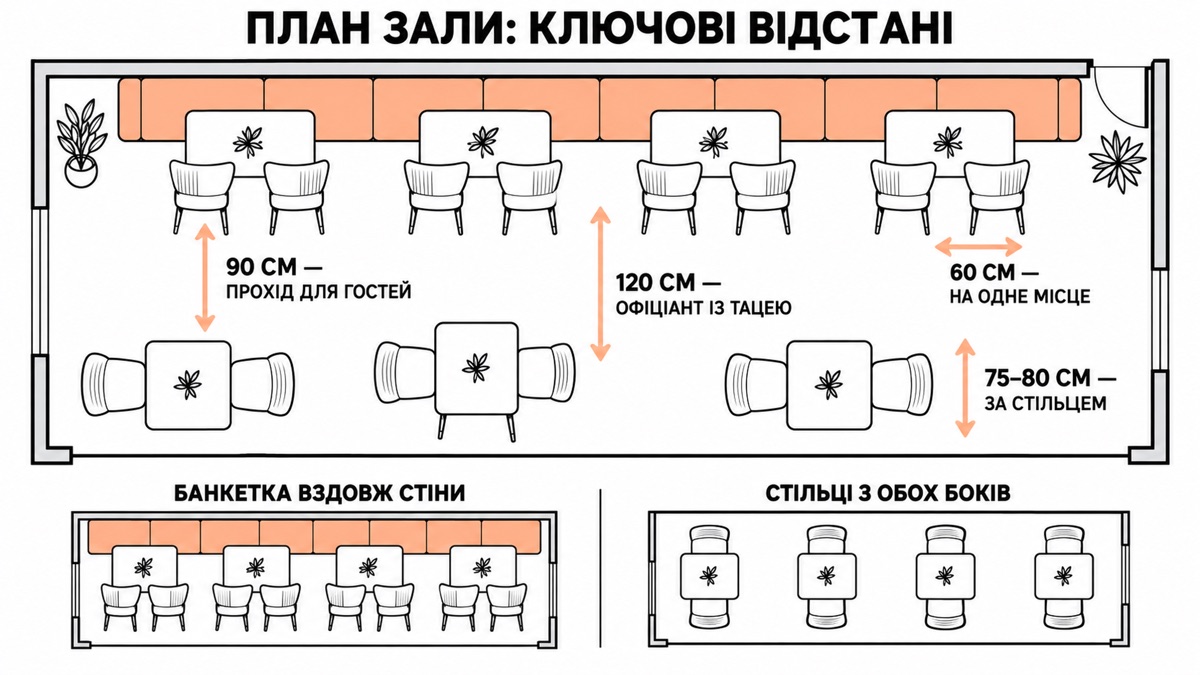
Furniture is chosen to fit the layout, not the other way round. The basic distances:
- Aisle between rows of tables: from 90 cm if guests walk there. 120 cm if a waiter with a tray walks there.
- Behind a chair: 75–80 cm, to push back and stand up.
- 60 cm per seat at the table.
A banquette along the wall gives more seats in the same area than chairs on both sides: on one side of the table there is no longer any need for an aisle. It is the simplest way to add capacity without making the room bigger.
How many chairs will fit at a particular table is worked out in the article how many chairs will fit at your table.
What makes a hotel different from a café
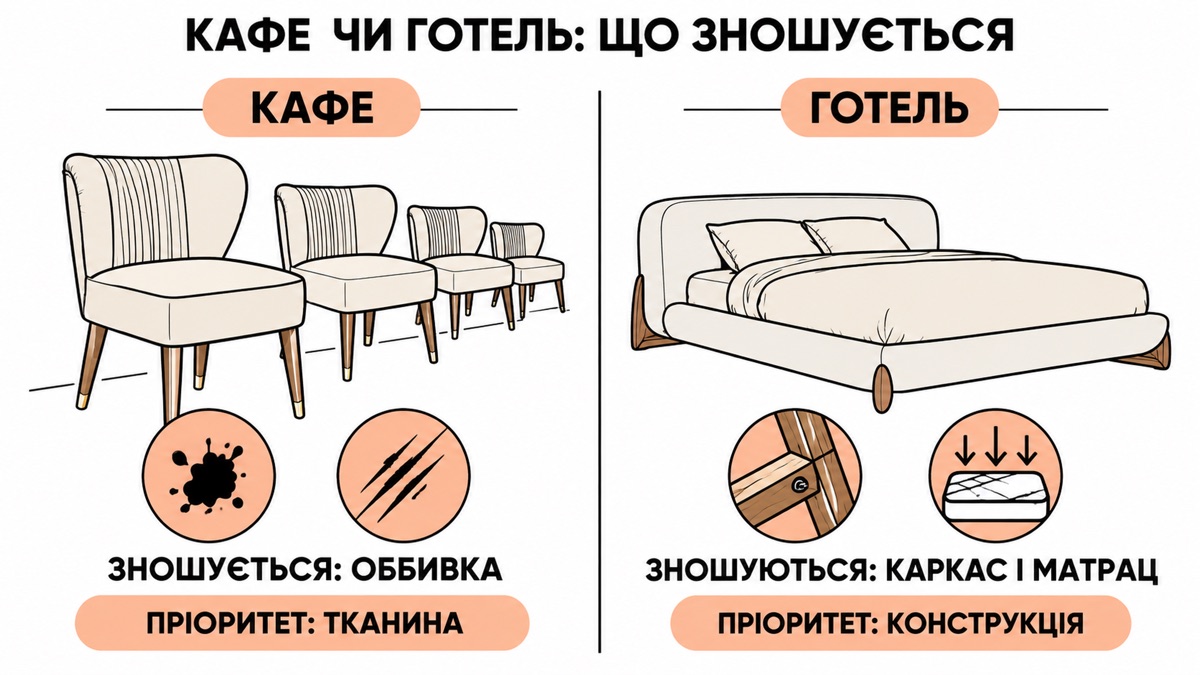
In a café, the upholstery wears out. The furniture is in constant contact, and the main risk is stains and abrasion. So fabric is the priority.
In a hotel, the structure wears out. A bed in a room goes through hundreds of stays, and every guest uses it without the care they give their own things. Here the priority is the frame and the fixings, not the fabric.
And a separate point about hotel mattresses: this is where complaints appear fastest and go straight into reviews. More detail: hotel furniture: what to consider before buying.
What to agree before the invoice
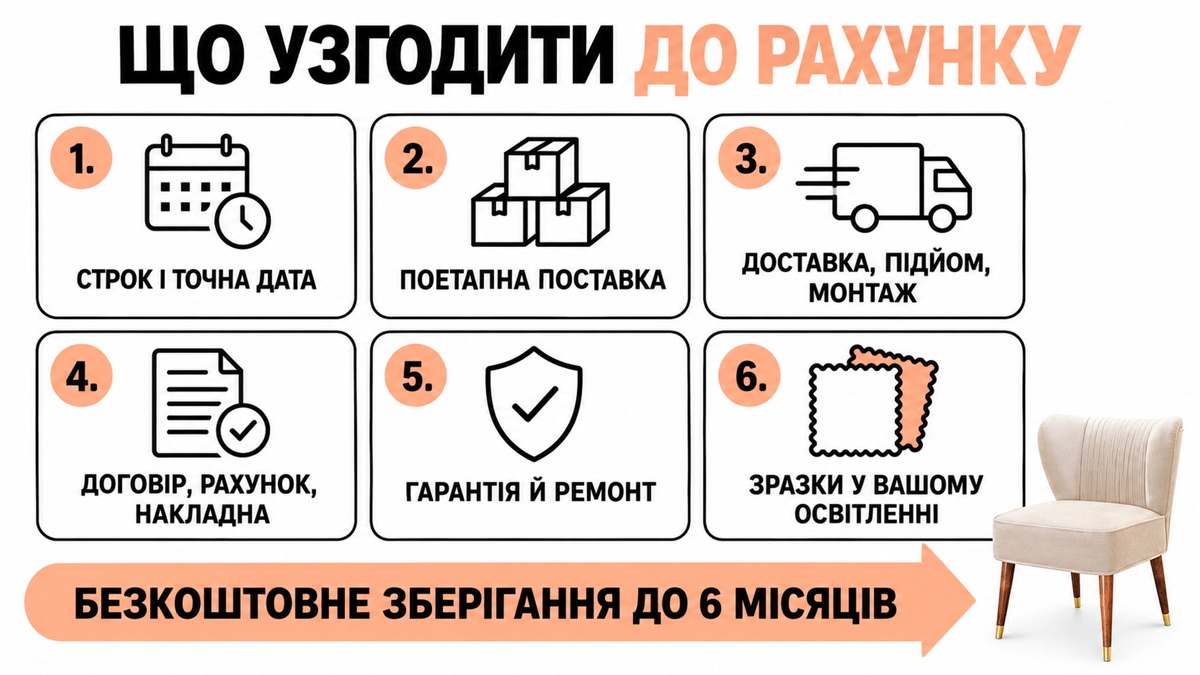
- The lead time for the whole batch, with a date, not "approximately".
- Staged delivery, if the dining room opens in phases: often more convenient than everything arriving at once into a renovation.
- Delivery, carrying upstairs, installation: what is included and what is extra.
- Documents: contract, invoice, delivery note; agree the format with your accounts department before ordering.
- Warranty and repairs. For a venue, what matters is not so much having a warranty as how quickly one unit can be repaired without taking away the whole set.
- Fabric samples in person. Look at them in your own lighting: a dining room usually has warm light, and it changes the shade.
Storage, if the opening is delayed
Venue renovations almost always run late. Furniture delivered into an unfinished dining room is damaged by dust and damp before the first guest arrives.
We store a finished order in our warehouse for up to 6 months free of charge. For HoReCa this removes the biggest planning risk: you can order on time, at the current price, and have it delivered when the dining room is actually ready.
Made for your dining room
A banquette for a specific length of wall, a sofa for a recess, a table of a non-standard shape: we make the dimensions to fit the premises. For a venue this is often not a whim but a way to add two or three seats that pay back the difference within the first month.
Dedicated pages: furniture for cafés, for restaurants, for hotels.
Read also: hotel furniture: what to consider and how many chairs will fit at a table.
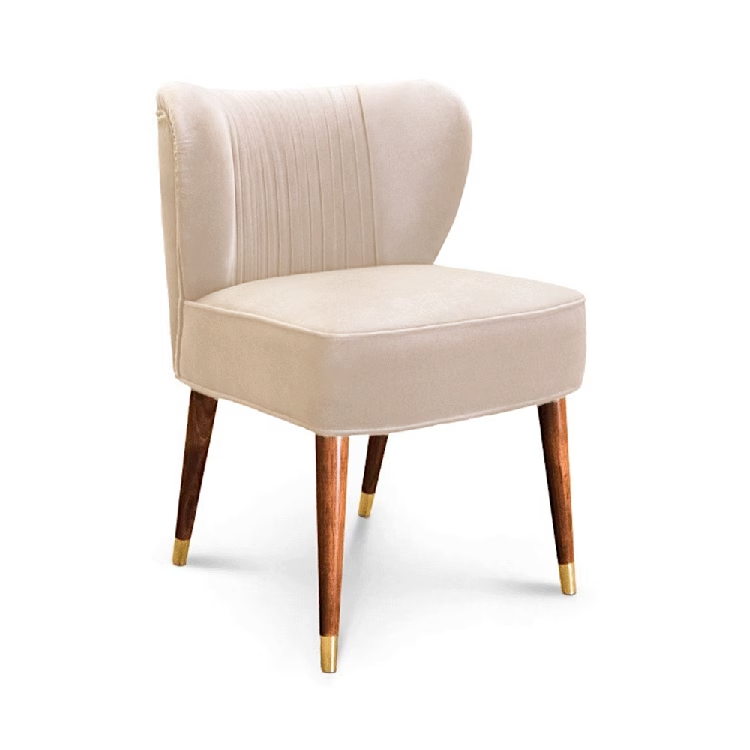
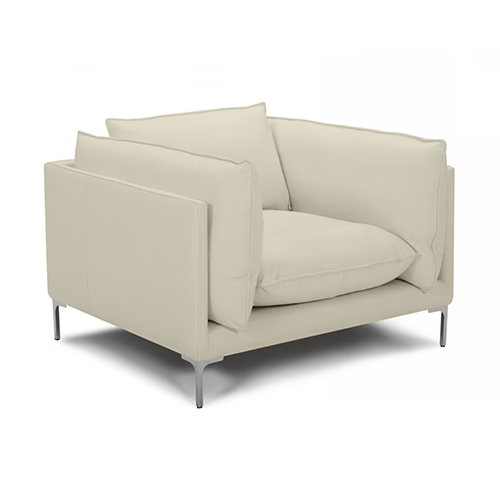
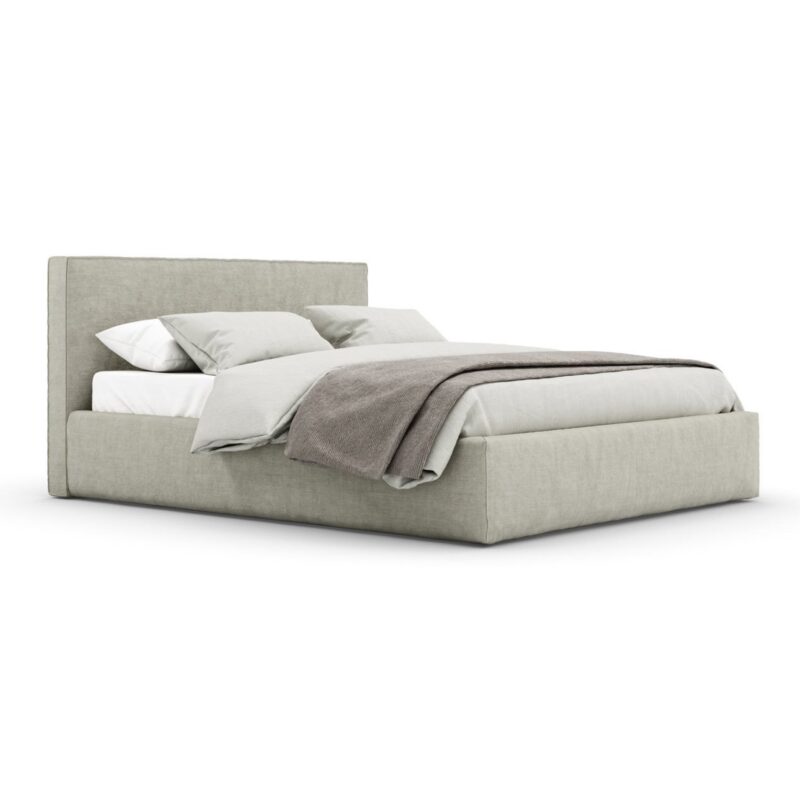
On dining room seating separately: restaurant chairs: what stands up to daily use.
In brief
- The most important question is whether you can order the same again; record the fabric code at the start
- Order 5–10% more than you need
- Saving on the fabric tier doesn't pay off in a venue
- Fewer models in a batch, a shorter lead time
- A 90 cm aisle for guests, 120 cm for a waiter with a tray
- Opening delayed? We store a finished order for up to 6 months free of charge
We'll price a batch for your venue: a sample before production, one consistent colour and a schedule.
Terms for HoReCa →