



-7%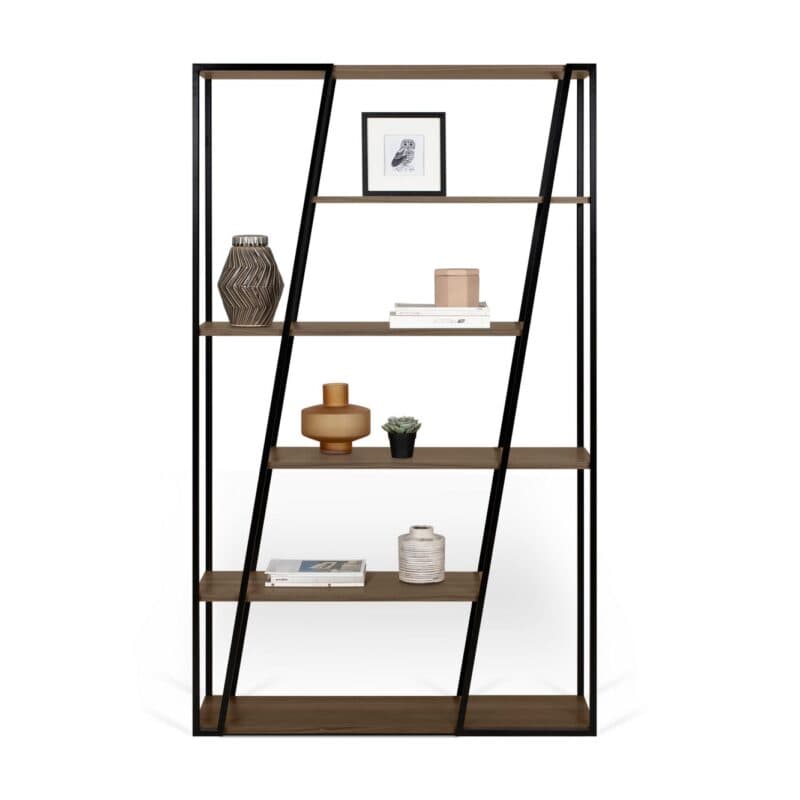
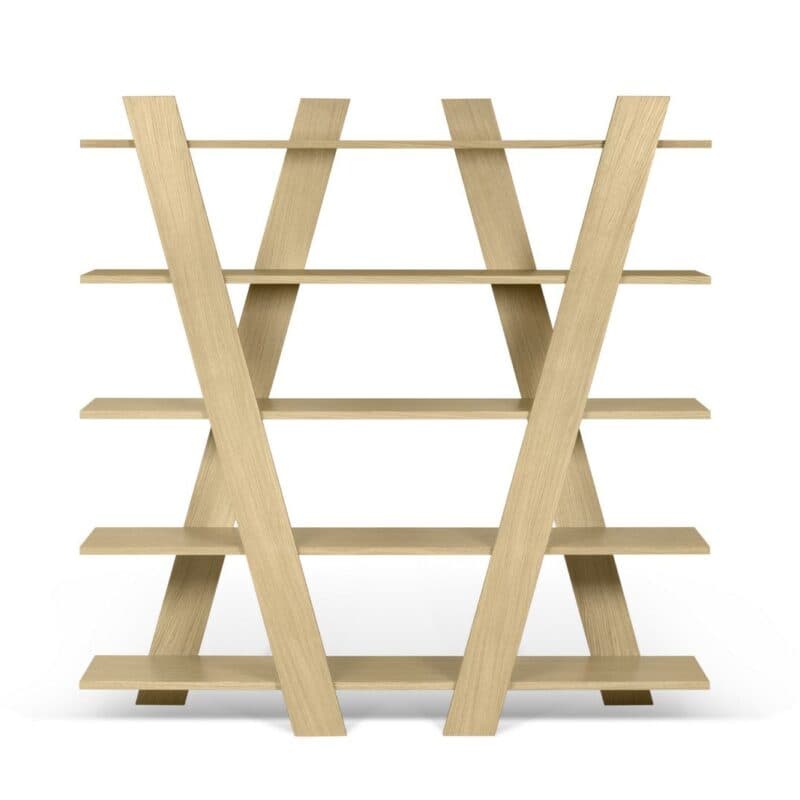
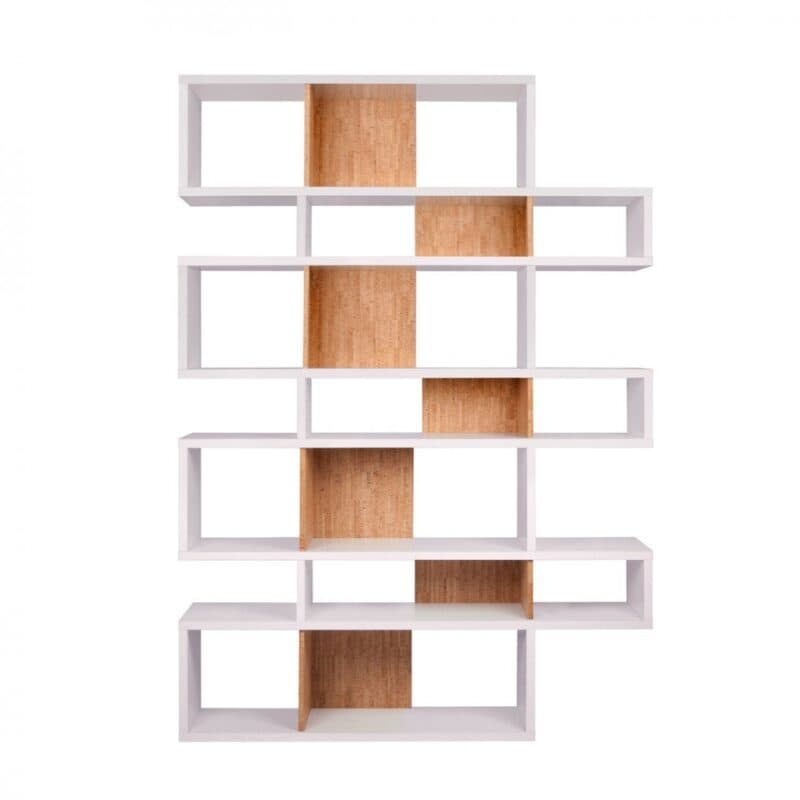
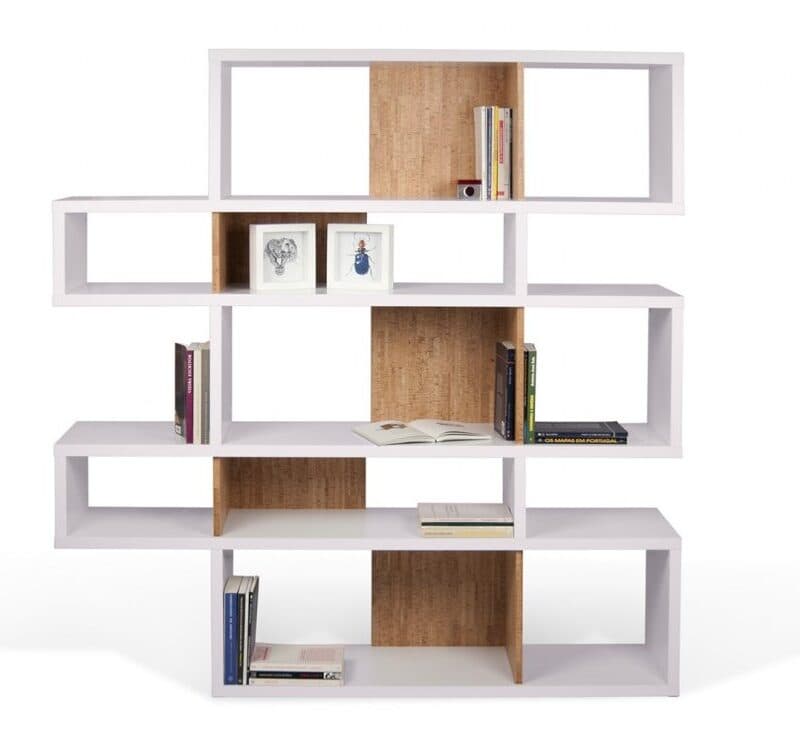
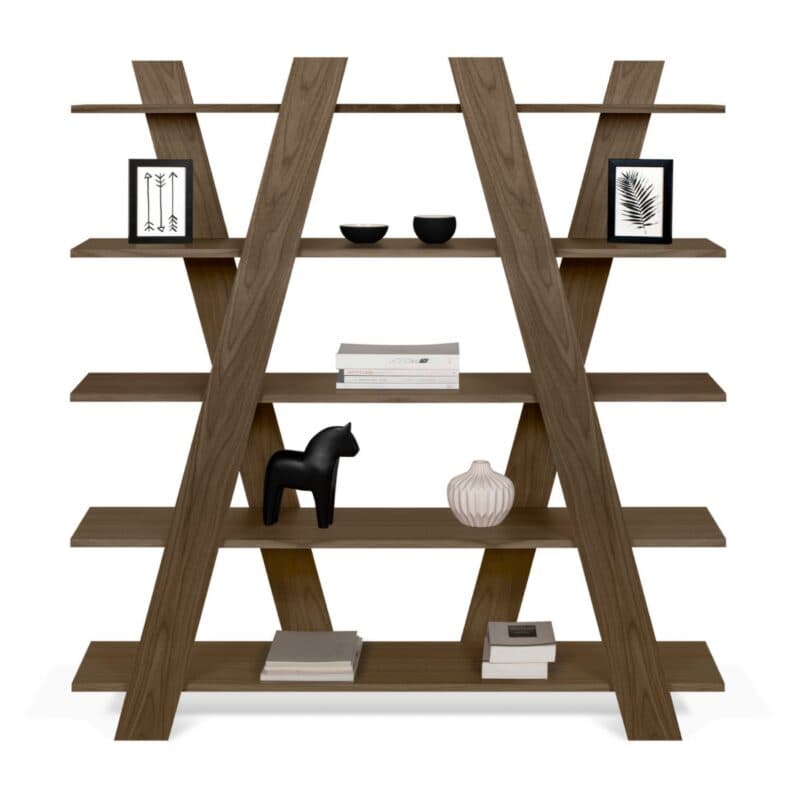
We are a factory: we make furniture to your dimensions and in your fabric. Leave your number — we will calculate the price and send samples, or come to take measurements free of charge.
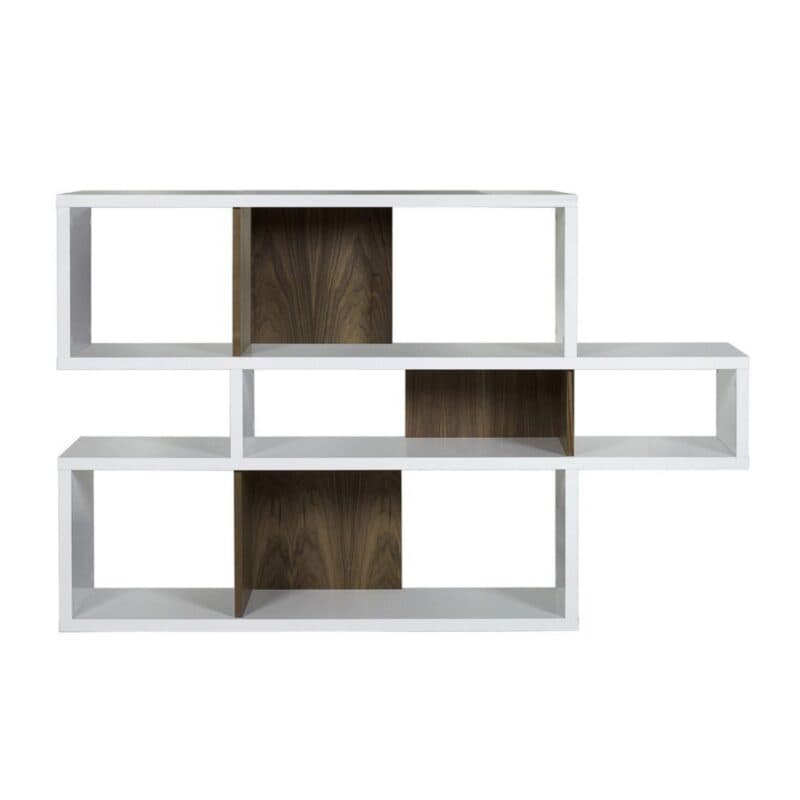
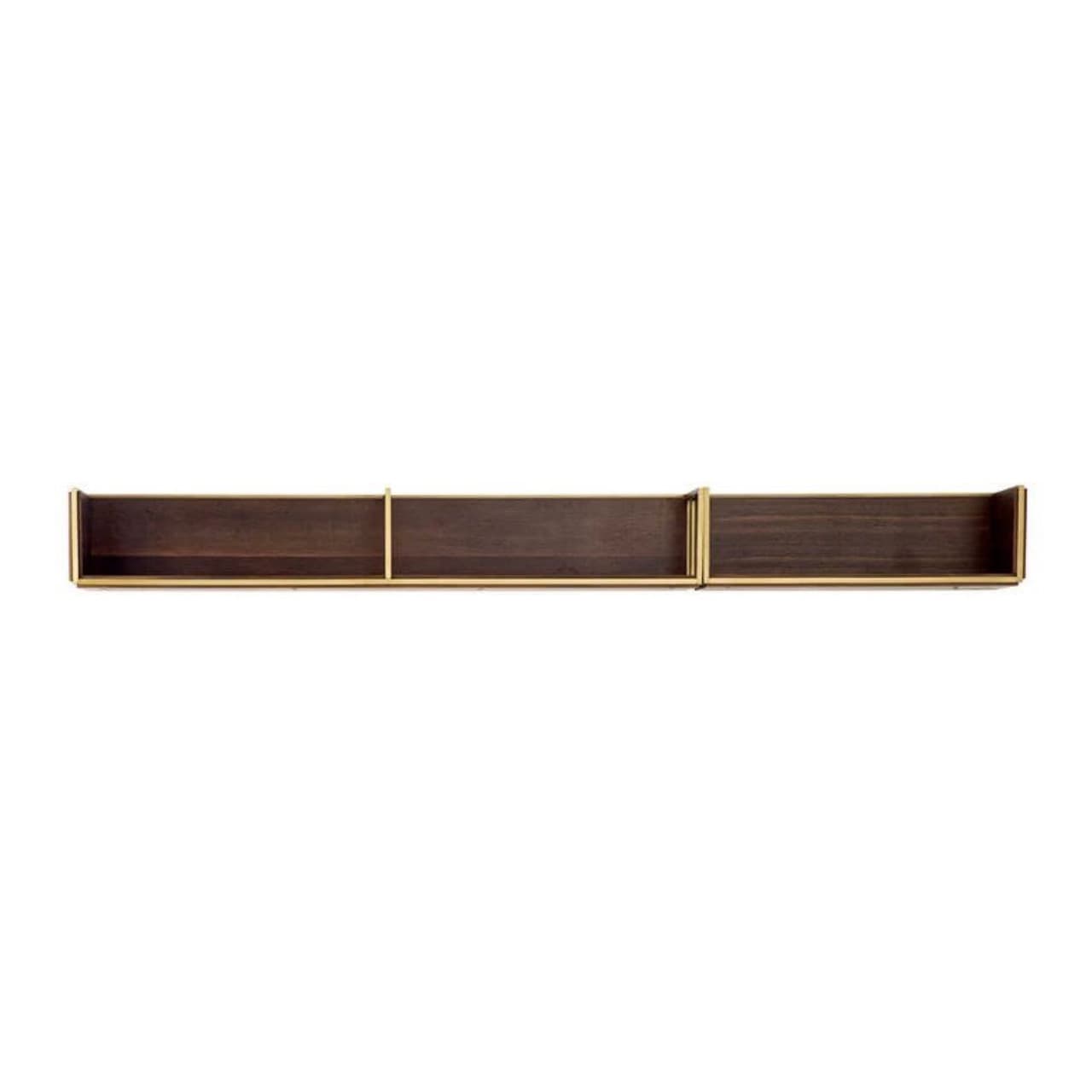
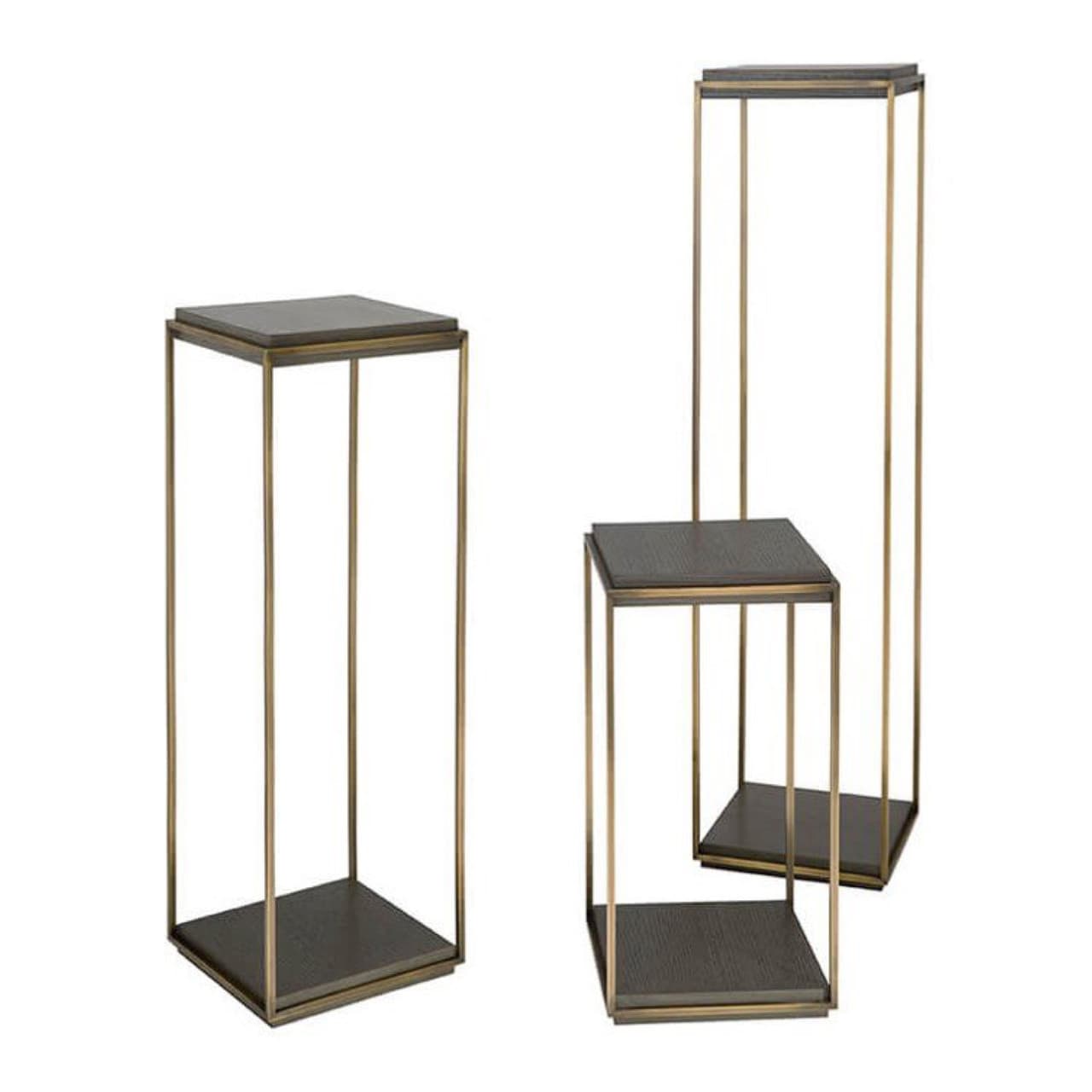
8 models — from wall shelves to floor-to-ceiling shelving units.
A wall shelf takes up no floor space. That is its main advantage in small rooms: visually the space stays free. The downside is a limited load and the need for secure fixing.
A shelving unit holds many times more and does not require drilling into a load-bearing wall. But it takes up floor space and visually divides the room.
In studios and open-plan spaces a shelving unit is often used precisely as a boundary between zones — it separates without blocking the light.
A question worth asking before you buy, not after.
Our shelves are designed for a load of up to 60 kg. That is the figure for the construction itself — and it is also stated in the specifications of each model.
But the actual limit depends not only on the shelf but also on what it is fixed to. A plasterboard wall without a mounting insert will hold much less than a brick one — and it is usually the wall, not the shelf, that becomes the weak link.
If you plan to put books on it — the heaviest thing people usually put on shelves — tell our manager. We will suggest a model and a type of fixing.
We make it from E1-class MDF and chipboard, 18 mm thick. E1 is a formaldehyde emission class under the European classification — the level permitted for furniture in living spaces. It is a specific technical class of board, not an advertising phrase like “quality materials”: we have the certificate for the board, and you can request it together with the invoice.
Laser edging, from 0.4 to 2 mm depending on where it goes. The laser fuses the edge to the board without a glue line — the thin dark strip that yellows and peels over time on ordinary PVC edging. Visible edges get a thicker band, inner ones a thinner band: a thick edge inside would only eat into the usable space.
You choose the colour and combination of materials together with our manager — not from three options in a drop-down list, but to suit your interior. Before production starts, we prepare a visual in the chosen material: you see exactly how your shelf will look before we start making it.
Dimensions and functions are not fixed either. Length, depth, number of tiers, section configuration — all of this can be adjusted to your space and your habits. The model in the catalogue is a starting point, not a fixed product.
For books, 20–25 cm is enough. For decor — 15–20 cm. For equipment or boxes — from 30 cm.
A shelf that is too deep sticks out and gets in the way in a small room, so do not buy extra depth just in case.
Quality control at every stage
On all furniture
At the carrier’s rates