


-20%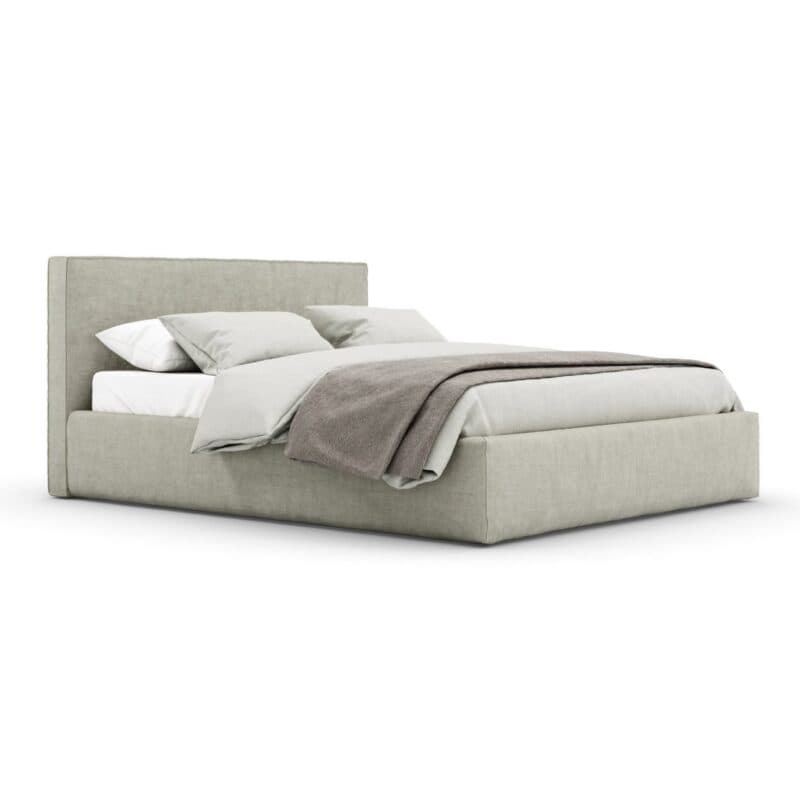
 Sofas33 models
 Corner sofas28 modelsBeds27 models
 Kids' beds29 models
 Kids' sofas12 modelsMore categories
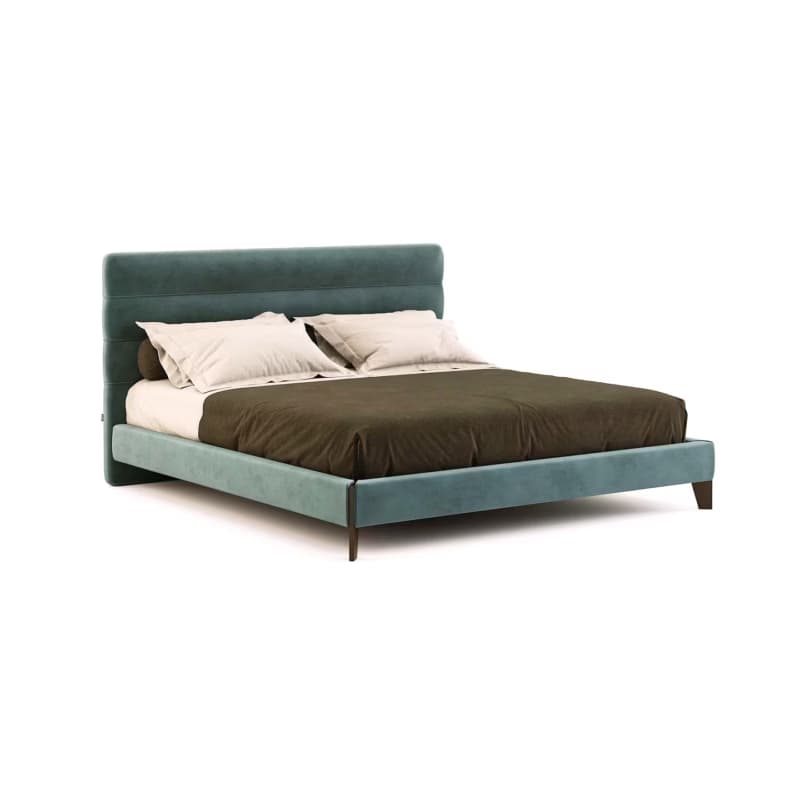
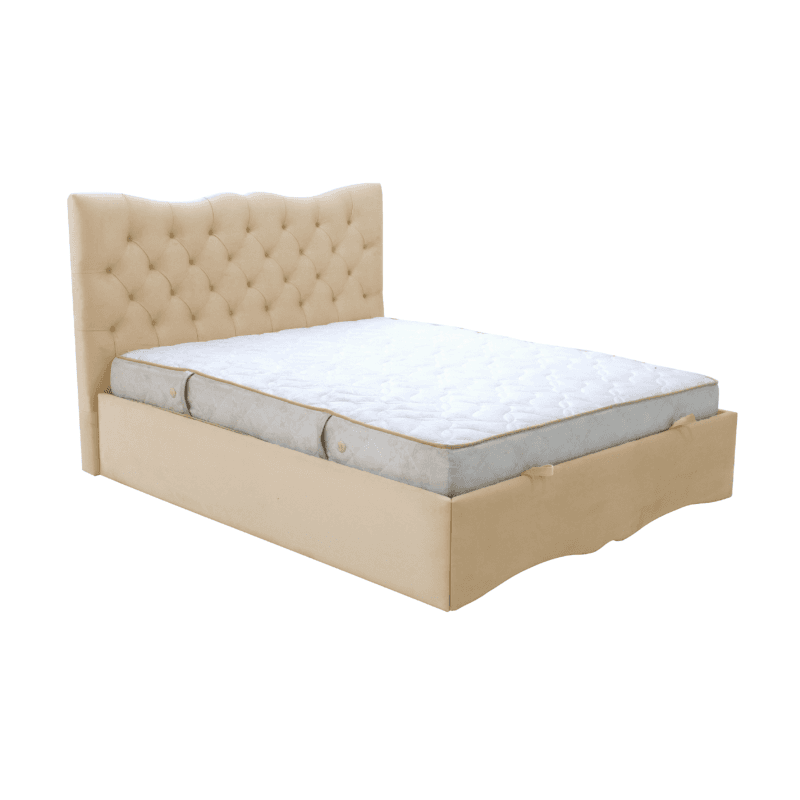


We are a factory: we make furniture to your dimensions and in your fabric. Leave your number — we will calculate the price and send samples, or come to take measurements free of charge.
A 140 × 200 bed is a compromise that often turns out more accurate than either extreme: roomier than a single, yet it leaves space in the room for everything else.
One person who likes space. The most common scenario, and the most underrated. On a 90 cm single an adult sleeps; on 140 cm they rest. The fifty-centimetre difference is felt every night, and in the room it takes up less than it seems.
A teenager. An 80–90 cm kids’ bed stops fitting at about twelve, and a double usually does not fit in a child’s room. A small double covers the next ten years or so.
A couple in a compact bedroom. To be honest: 140 cm for two is tighter than 160. You can sleep on it, but if 160 fits in the room — take 160, the price difference is smaller than the difference in comfort. A small double for a couple makes sense when otherwise there is no way to get between the bed and the wardrobe.
A guest room. One guest sleeps comfortably, two fit.
A bed 140 cm wide is not 140 cm of the room. Add a walkway.
On one side — at least 70 cm, to walk past and make the bed. 70 cm on both sides if two people will sleep in it: otherwise one of you has to climb over the other every time.
A practical guide: a small double bed sits comfortably in a room from 9 m². It will fit in a smaller one, but you will have to give up something else — most often the wardrobe.
Before ordering, measure not only the width of the wall but also the path through the door: a bed with a high headboard sometimes does not pass through the opening at an angle.
A small double bed is more often used for more than sleeping: people read on it, work on a laptop, watch something in the evening. In other words, they lean back against it — every day.
A wooden headboard is not made for this: you have to put a pillow behind you, and the point of the headboard disappears. An upholstered one works as a backrest straight away.
The second, less obvious reason is quiet. An upholstered headboard absorbs sound; a hard one reflects it. In a small room where the bed stands against a wall shared with neighbours, this is noticeable.
The third is safety in the dark. People bang their elbow on a wooden corner in the dark; on an upholstered one they do not.
An honest counter-argument: a wooden headboard is easier to look after — a wipe is enough. Fabric has to be cleaned. We make up for this with the choice of collection: there are water-repellent ones with a treatment that makes stains easier to remove.
The headboard is sewn using the same technology as our sofas, from the same materials.
The filling is durable polyurethane foam of varying density. We do not use spring units in upholstered furniture: in a piece you lean your back against every day, they are the first to give way. Polyurethane foam of varying density holds its shape for years and does not sag.
The fabrics are all hypoallergenic. Some collections have additional properties: anti-scratch with a dense weave that stands up better to claws, and water-repellent with a treatment that makes stains easier to remove. For a bedroom with pets or a child’s room, this makes all the difference.
320 colours across three collections — ECO, PRESTIGE and PREMIUM Textile.
A small double bed is usually put in a room that is short of space already. The compartment under the bed gives a volume comparable to half a wardrobe and does not take up a single extra centimetre of floor.
The mechanism and compartment are available as an option — availability and cost are shown in the configurator of the specific model.
The base is slatted. Slats flex and let air through, so the mattress is ventilated from below and lasts longer than on a solid surface.
The mattress is not included — it is a separate product. If you order it together with the bed, the size is matched automatically, so you cannot get it wrong.
Quality control at every stage
On all furniture
At the carrier’s rates


