


-11%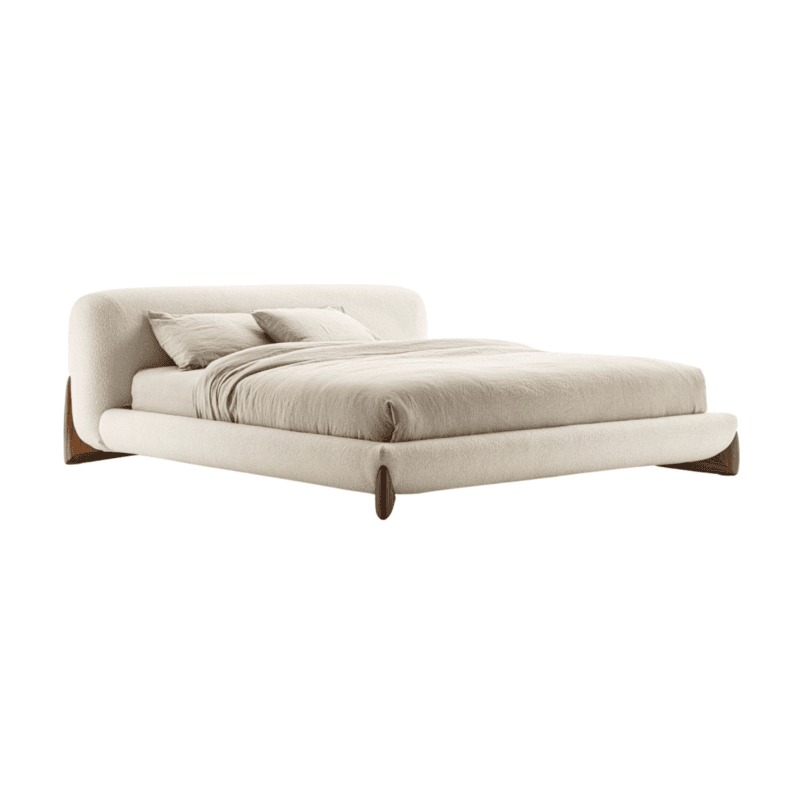
 Sofas33 models
 Corner sofas28 models
 Beds27 models
 Kids' beds29 models
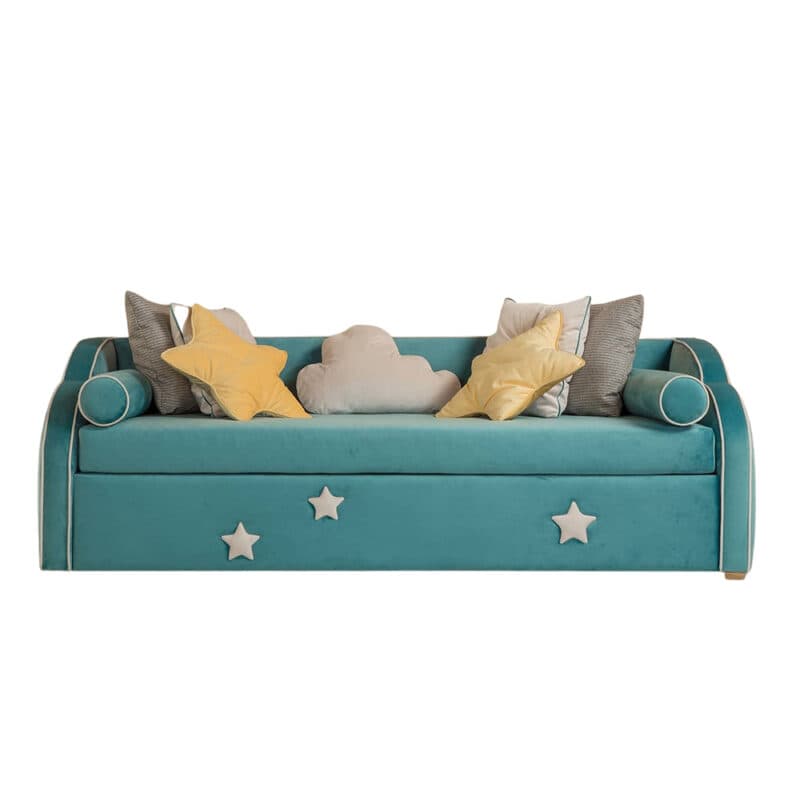 Kids' sofas12 modelsMore categories
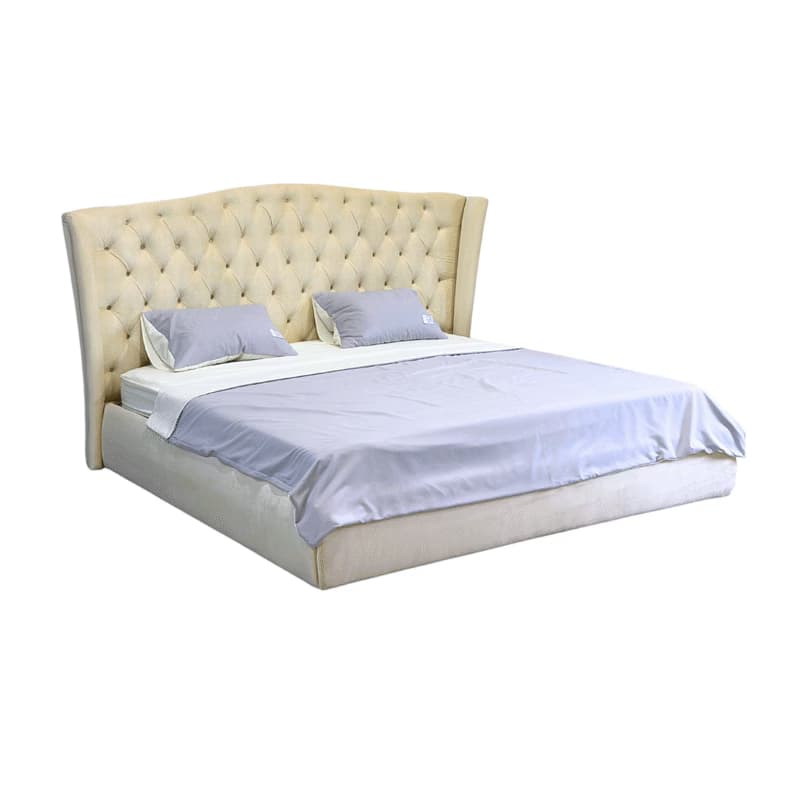
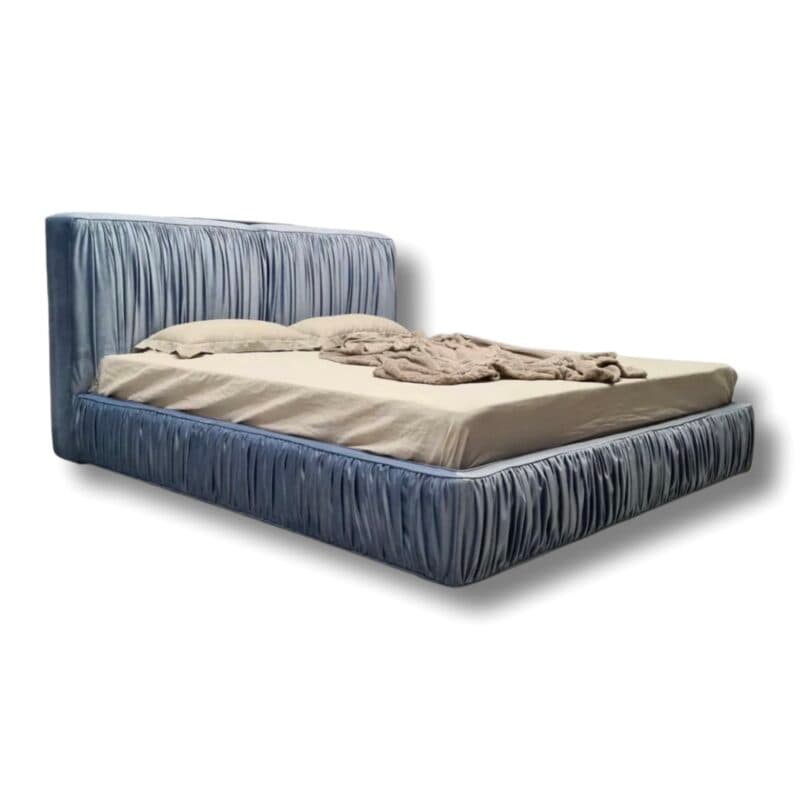
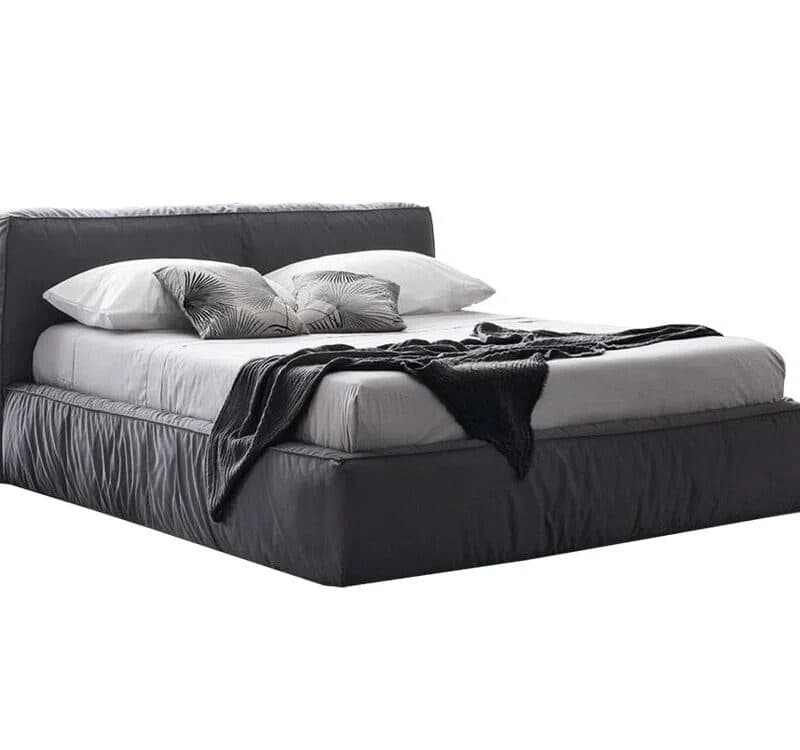
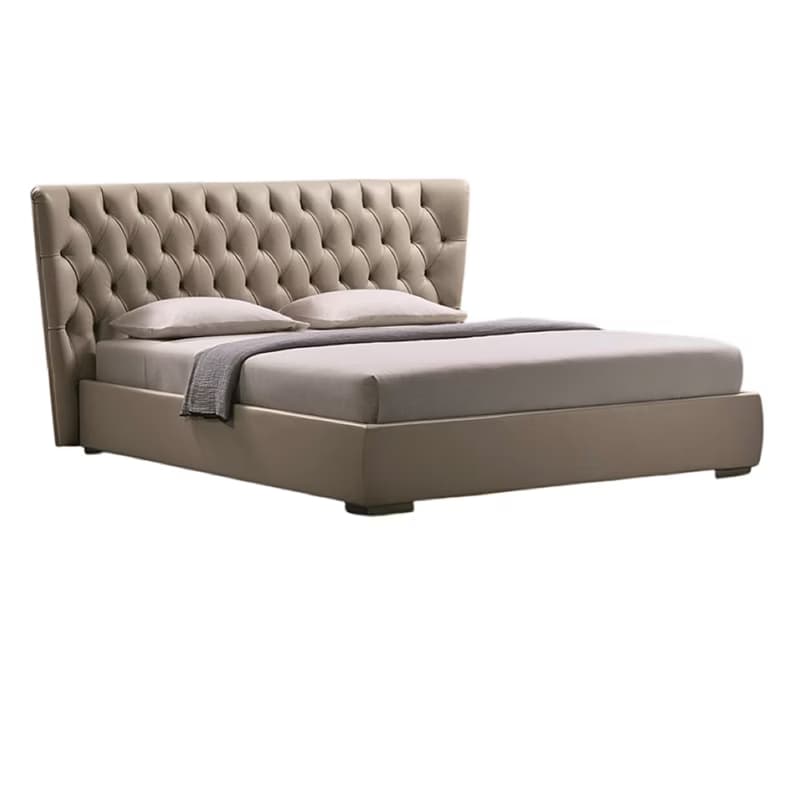


We are a factory: we make furniture to your dimensions and in your fabric. Leave your number — we will calculate the price and send samples, or come to take measurements free of charge.
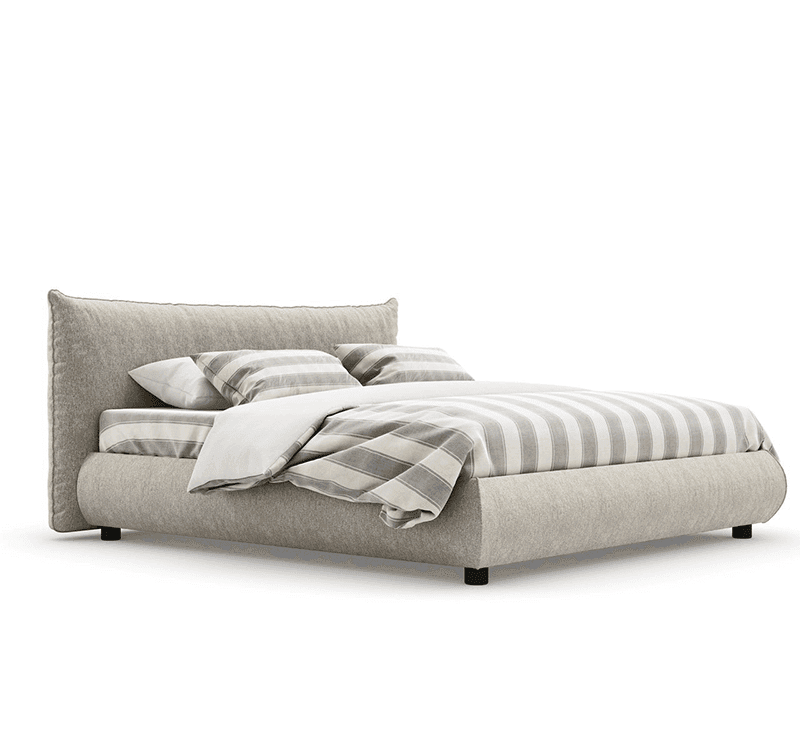
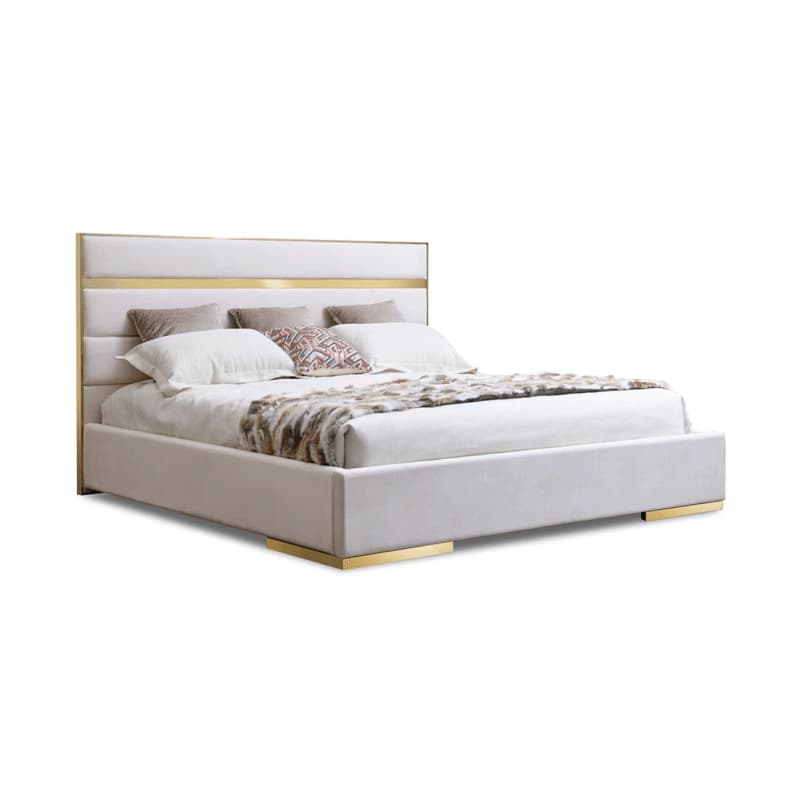
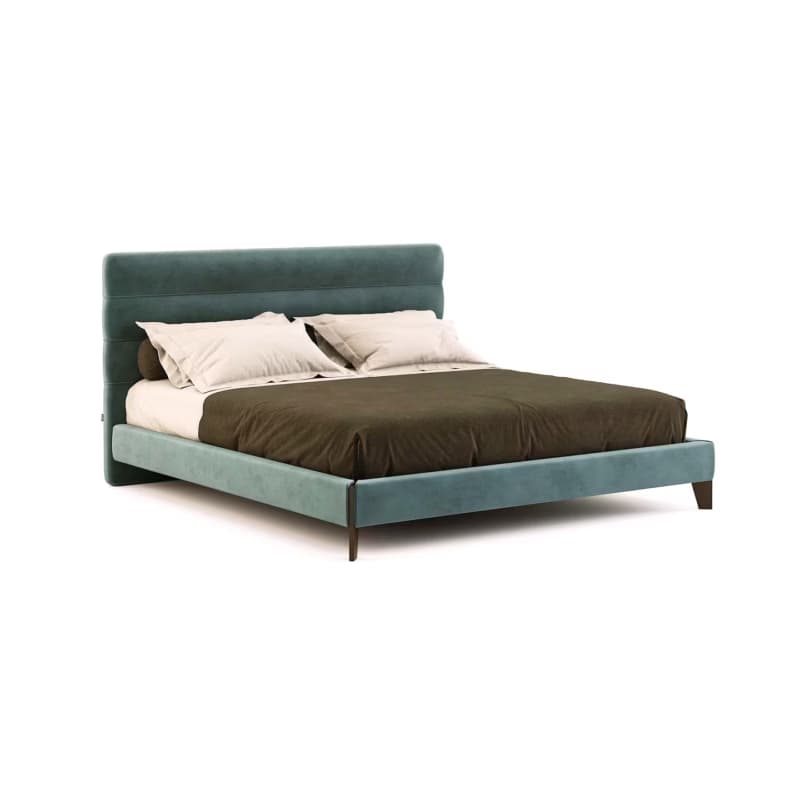
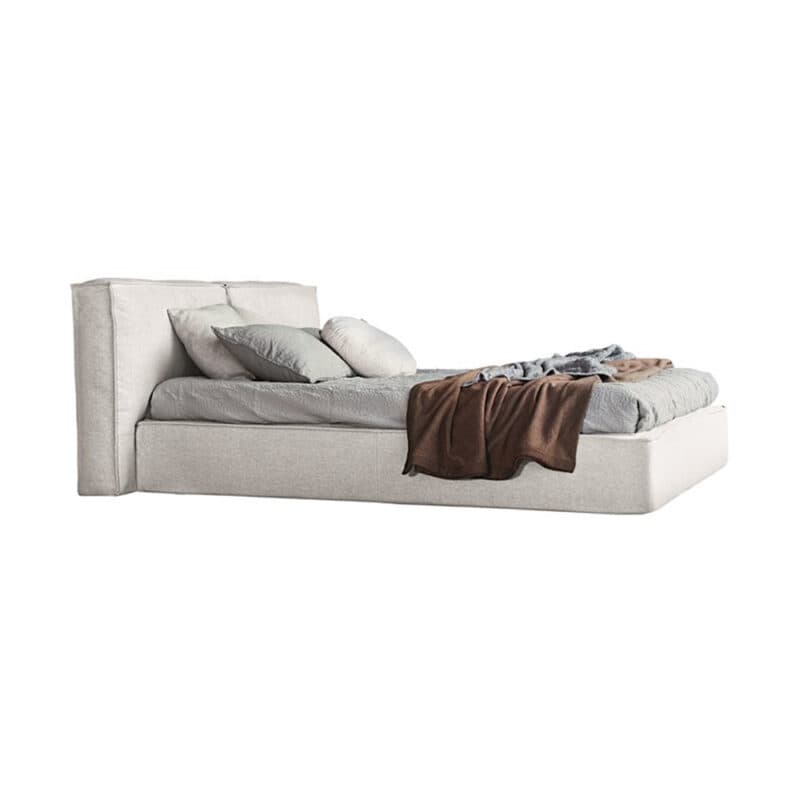
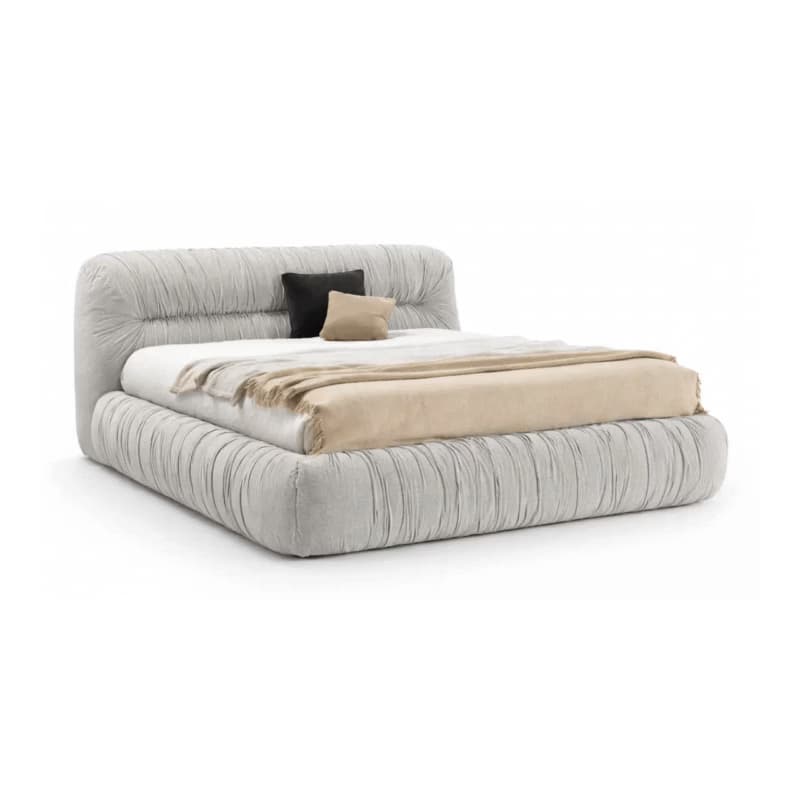
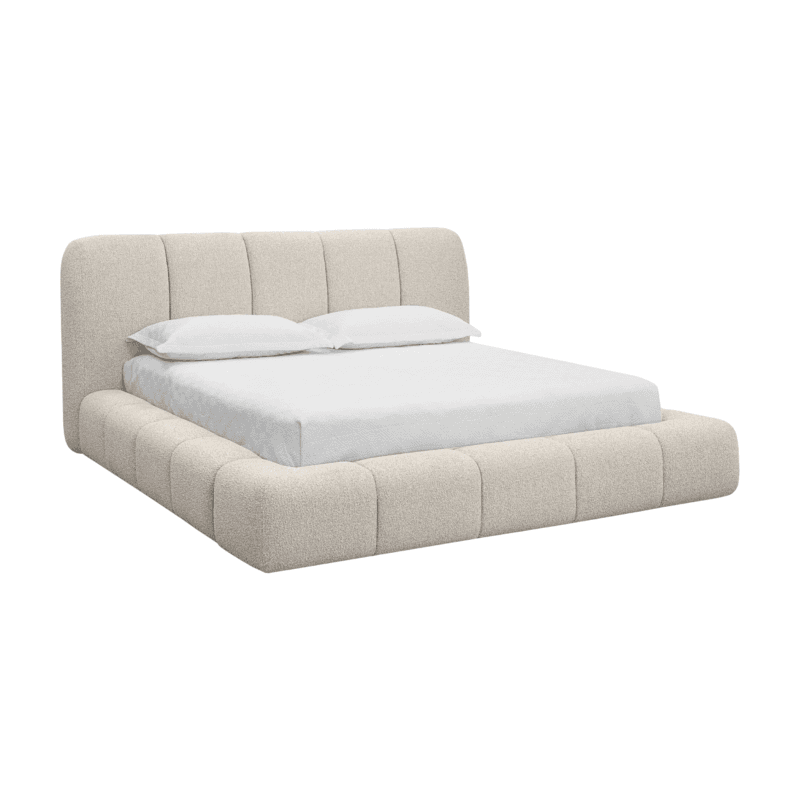
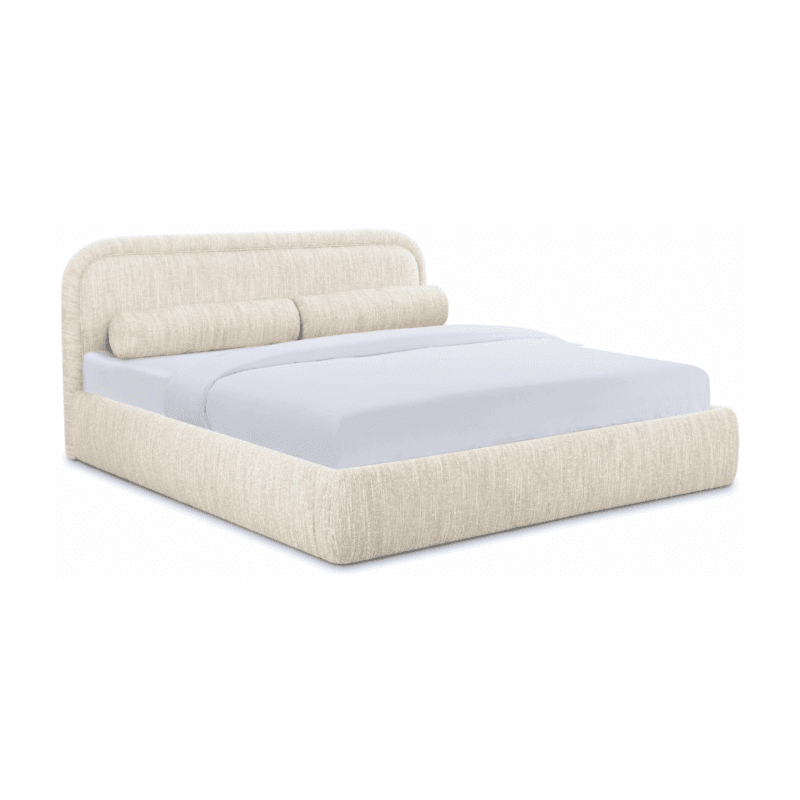
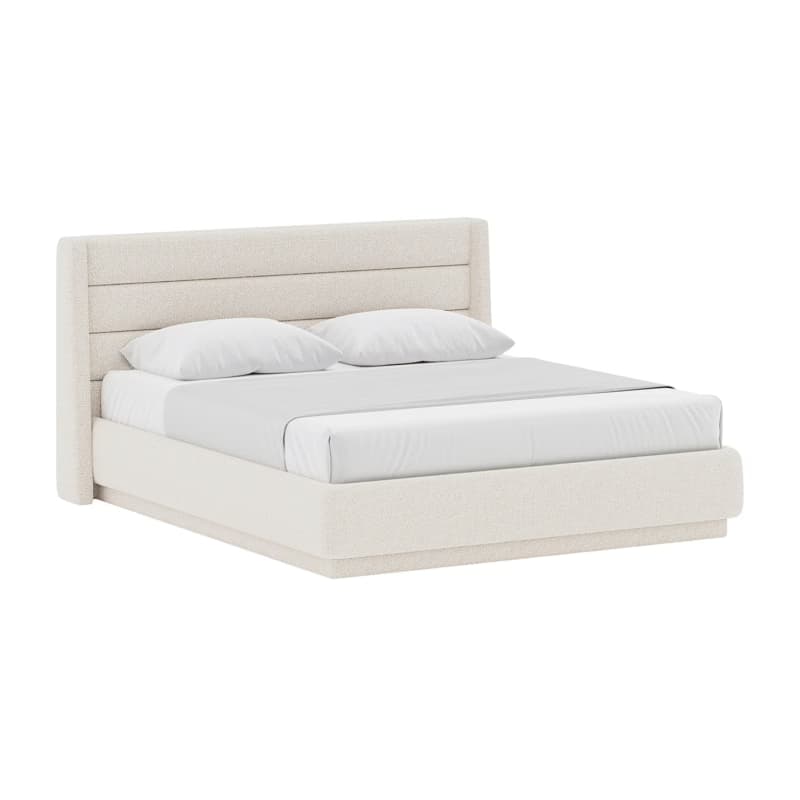
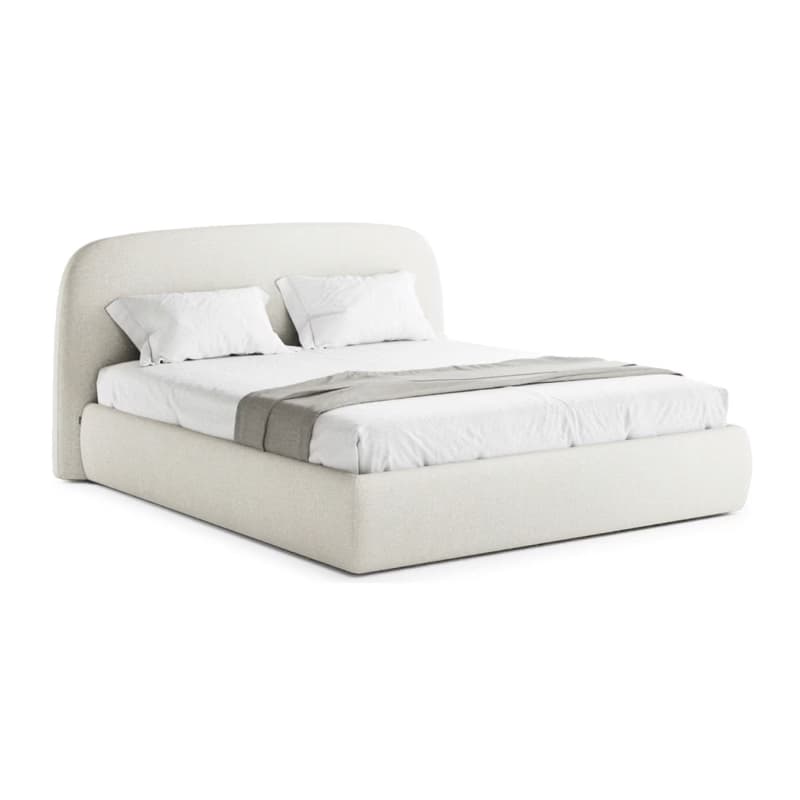
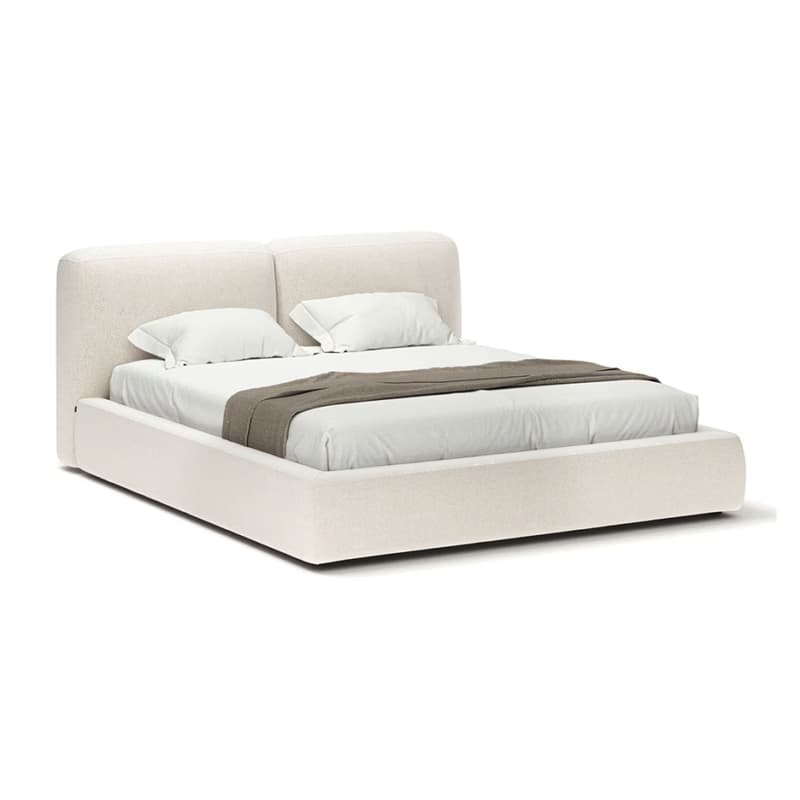
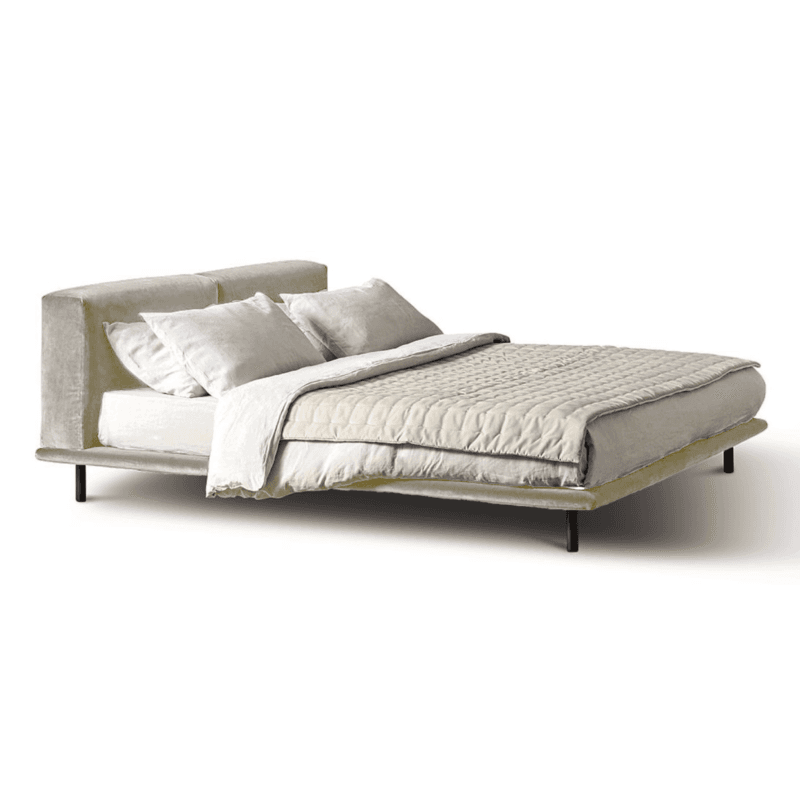
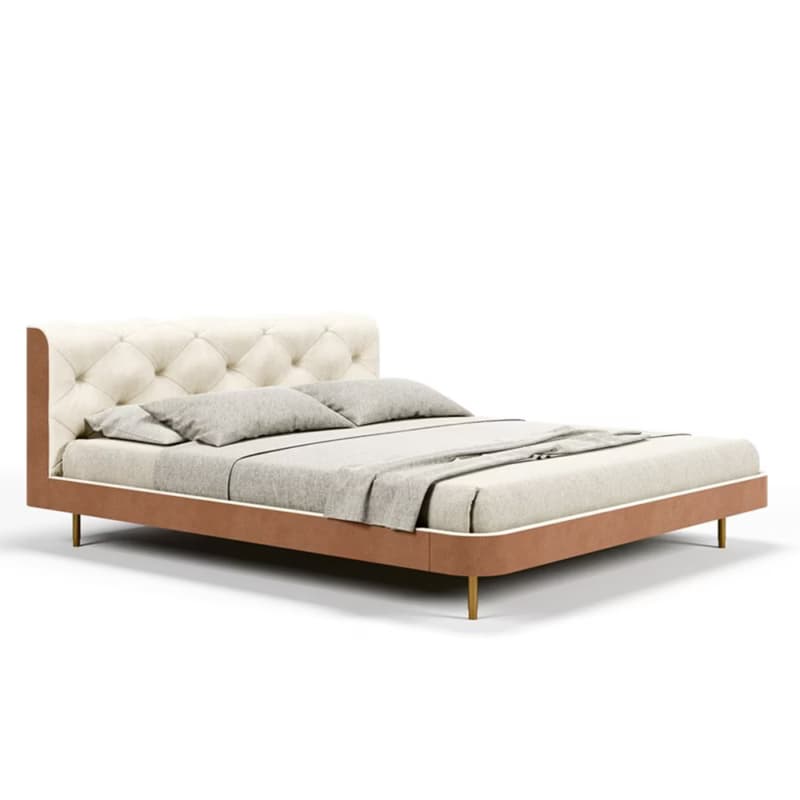
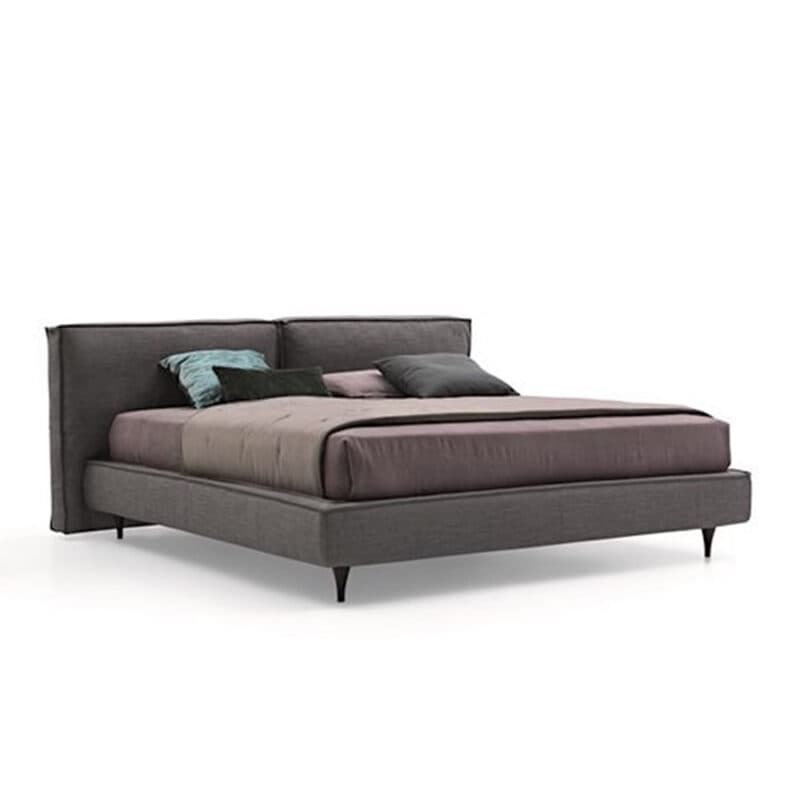
A bed on legs stands not on the floor but above it — and that changes two things every day: you can clean under it, and it does not visually fill the whole room. Below are our models with visible supports: solid wood, metal or plastic.
You can clean under the bed. This is the main and most everyday point. A bed on a solid base has to be moved, or you have to reach under it with a cloth; under a bed on legs a mop fits, and a robot vacuum too, depending on the height of the supports.
The mattress is ventilated from all sides. A slatted base lets air through from below, and the legs leave a gap between the bed and the floor. In a poorly ventilated bedroom or on the ground floor this noticeably affects how long the mattress stays dry.
The room looks more spacious. The visible floor under the bed reads as a continuation of the space. In a bedroom up to 12 m², this is the same technique as furniture on tall legs in a Scandinavian interior — the same area, a different feel.
An honest minus: there is no storage space under the bed. Legs and a storage compartment are mutually exclusive. If the flat has no walk-in wardrobe and nowhere to put duvets, you need a lift-up mechanism with a storage compartment, not legs.
Solid wood — on most models. Ash and beech: they are tough, withstand knocks and do not dry out with changes in humidity. Wood is appropriate where the interior already has wooden surfaces — the floor, bedside tables, a wardrobe.
Metal — a slimmer silhouette with the same strength. A metal support takes up less space visually, so the bed looks even lighter. Suits loft and minimalist interiors.
Plastic — the concealed option: the support is low and does not aim to be a feature. This is the solution when legs are needed functionally, not as part of the design.
The type of supports is stated in the specifications of each model — the “Legs” line.
The height of the supports affects the sitting height. A bed on legs plus a 20–25 cm mattress gives an overall height that is easier to get up from than a low platform. For people with back problems this is an argument in favour.
A rug under the bed. On a high pile the legs sink unevenly and the bed may wobble. If the rug is thick, tell our manager — we will choose supports with a wider foot.
The size is still yours. Legs do not limit the dimensions: any model in this selection is made to your size, including non-standard ones. Our manager gives the lead time for non-standard sizes.
Quality control at every stage
On all furniture
At the carrier’s rates


