

A walk-in wardrobe isn't just a bigger wardrobe but a separate storage system that's worth planning around your family's real habits: how many clothes are stored per season, whether you need space for suitcases, whether there's ironing equipment.
Start with zoning
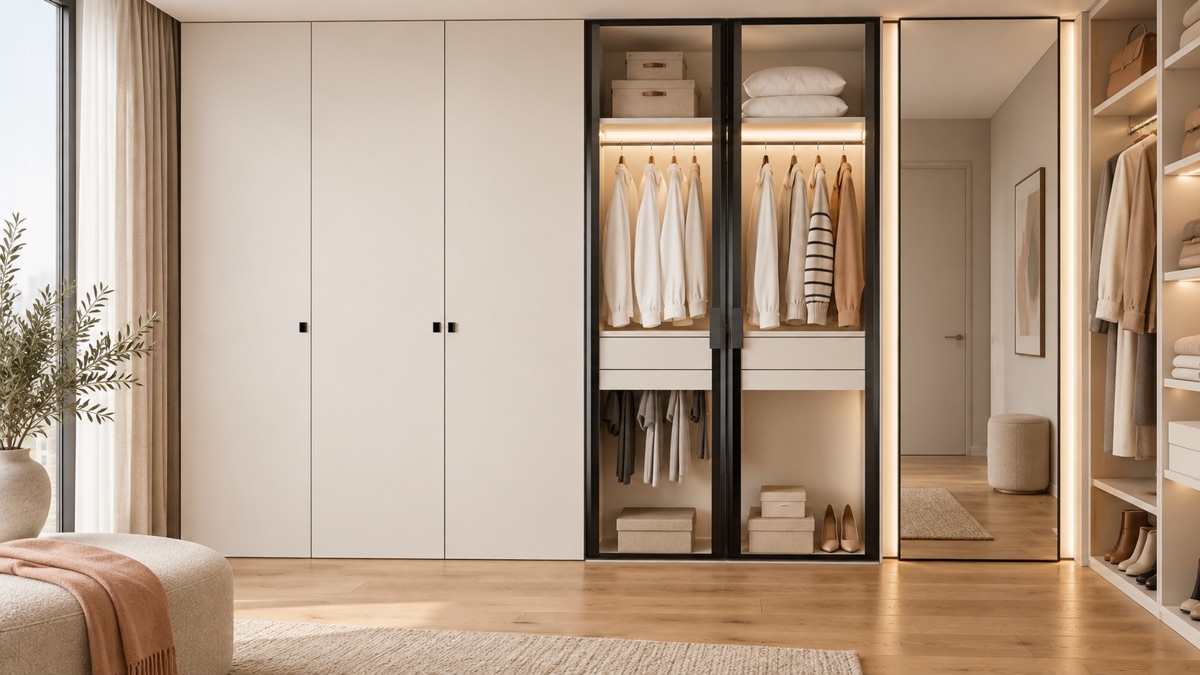
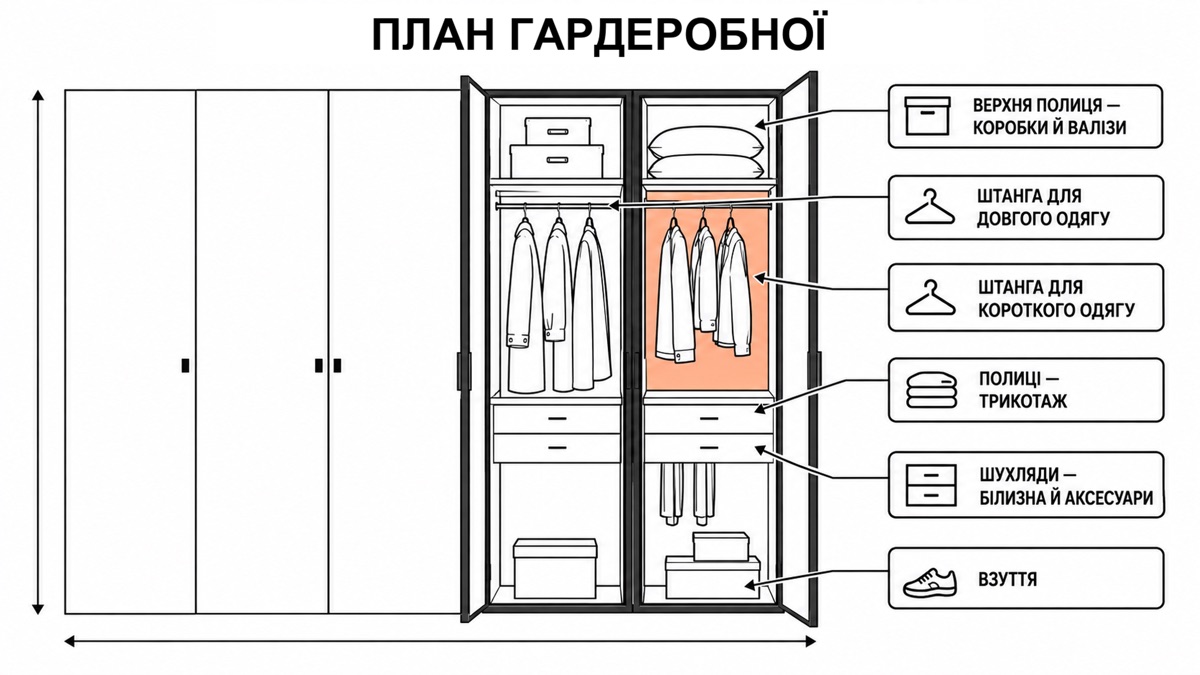
Planning is best started with zoning: rails for long and short clothes, shelves for knitwear, pull-out drawers for underwear and accessories, and a separate section for shoes. The more clearly the zones are divided, the easier it is to keep things tidy every day.
- Rails — for dresses, shirts and outerwear.
- Shelves and chests of drawers — for folded knitwear and underwear.
- Open shelves — for bags, boxes and decor.
Lighting makes the difference
Lighting in a walk-in wardrobe plays just as important a role as in a bathroom: overhead light is often not enough to make out the shade of a fabric. Spotlights on the shelves and a mirror with even light make getting ready every day much easier.
Door and front materials
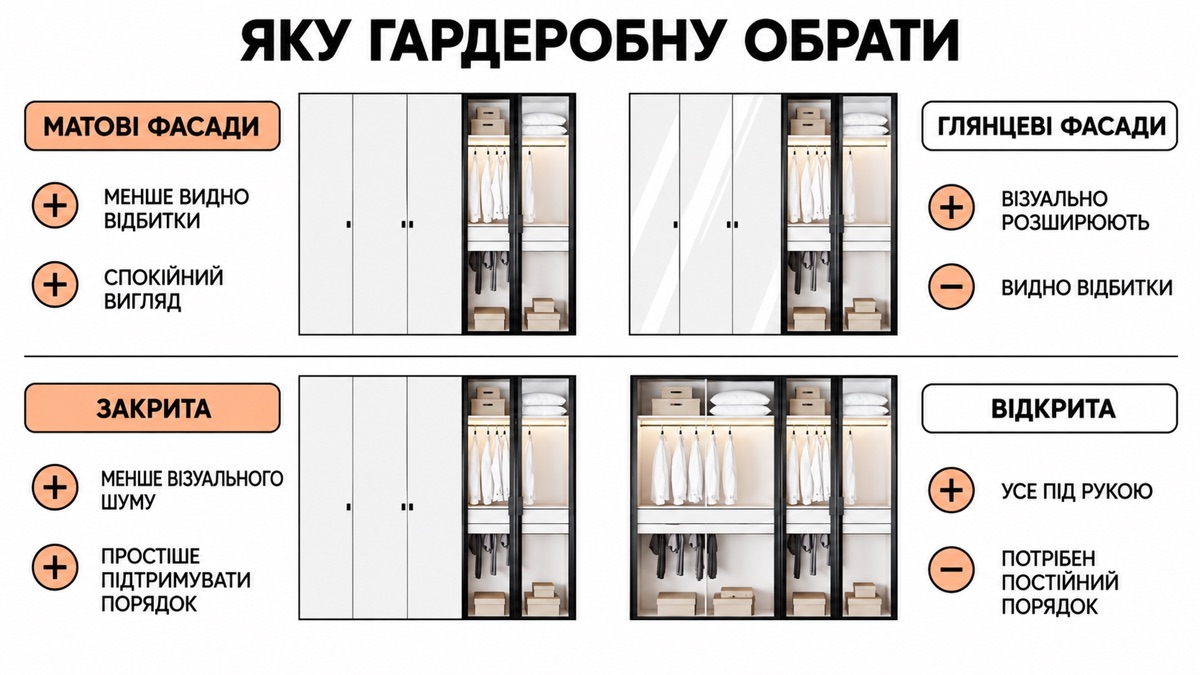
Fronts are worth choosing not only by colour but also for practicality: matt surfaces show fingerprints less, while gloss visually enlarges a small space. If you like calm natural shades, the Japandi style will appeal to you.
Short of space? Choose open systems
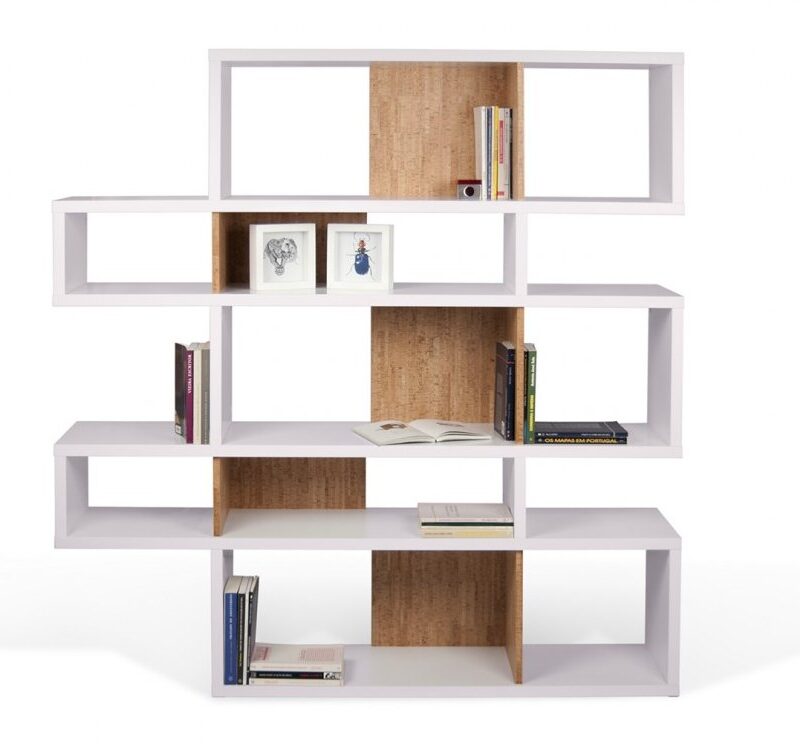
If space is limited, consider open storage systems instead of closed wardrobes with doors — they save a few dozen centimetres for the walkway and let you see your whole wardrobe at once.
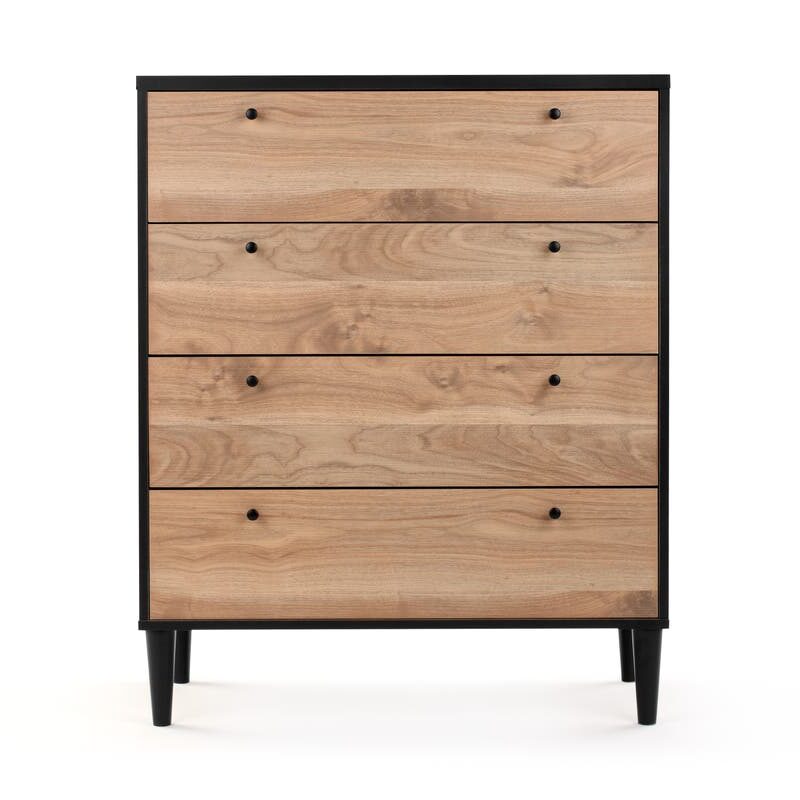
Put together a storage system for your space — wardrobes, chests of drawers and shelves made in-house by MeBelle.
See wardrobes →