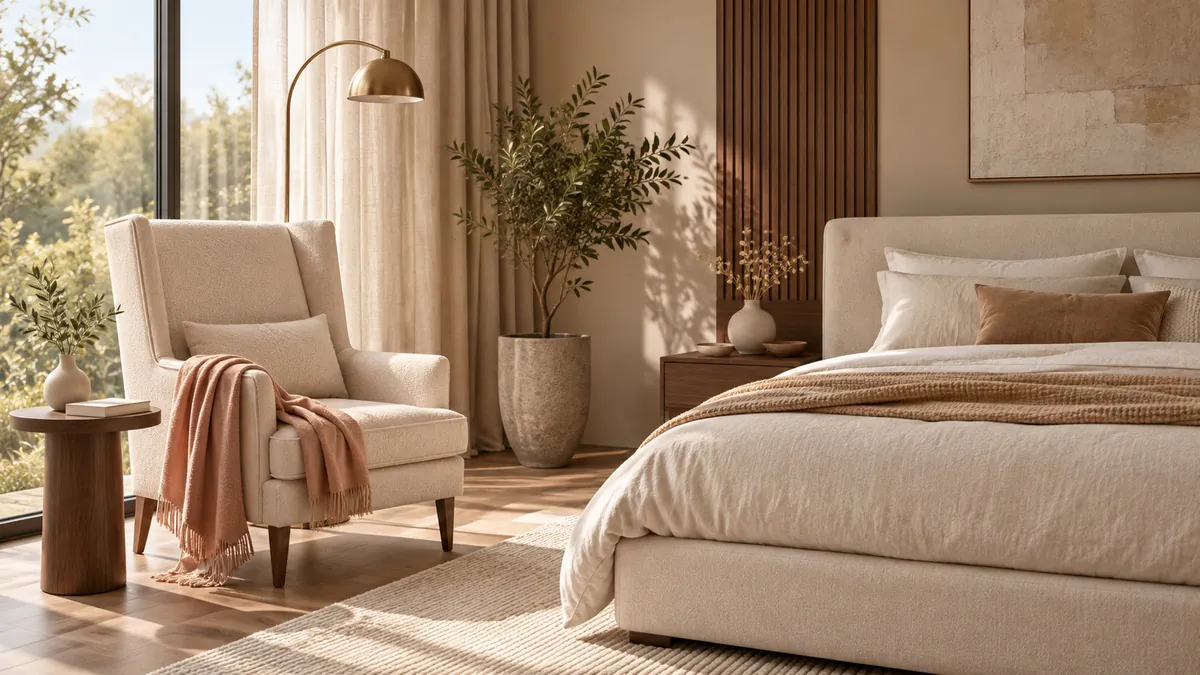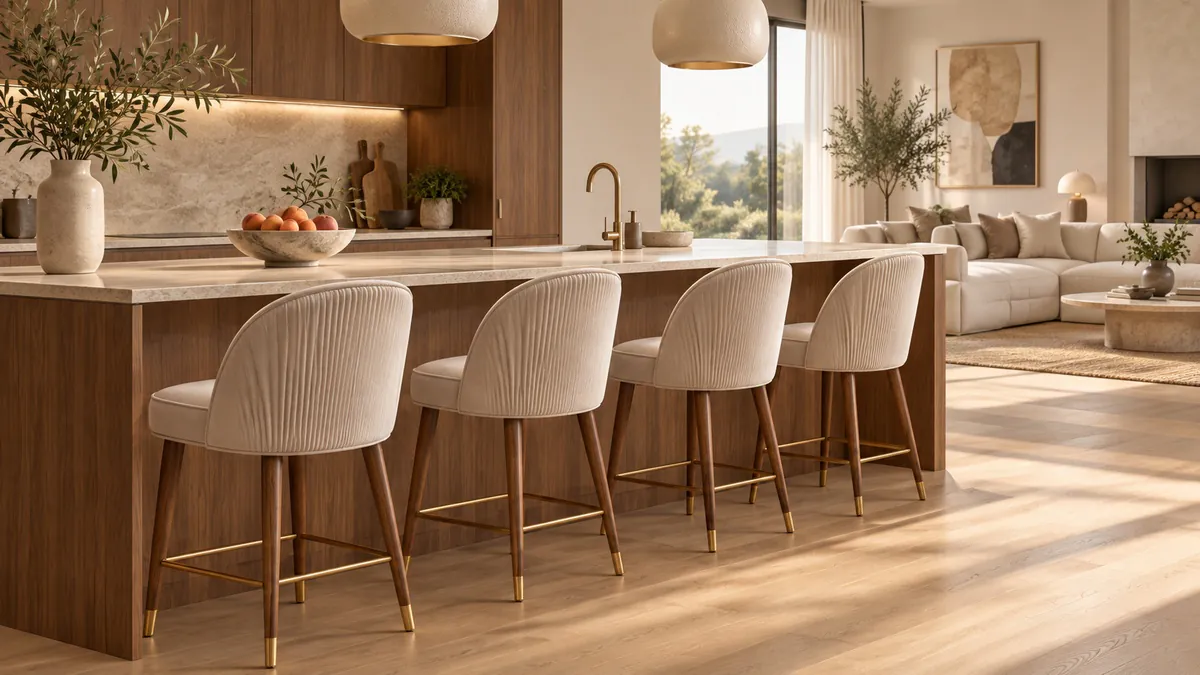


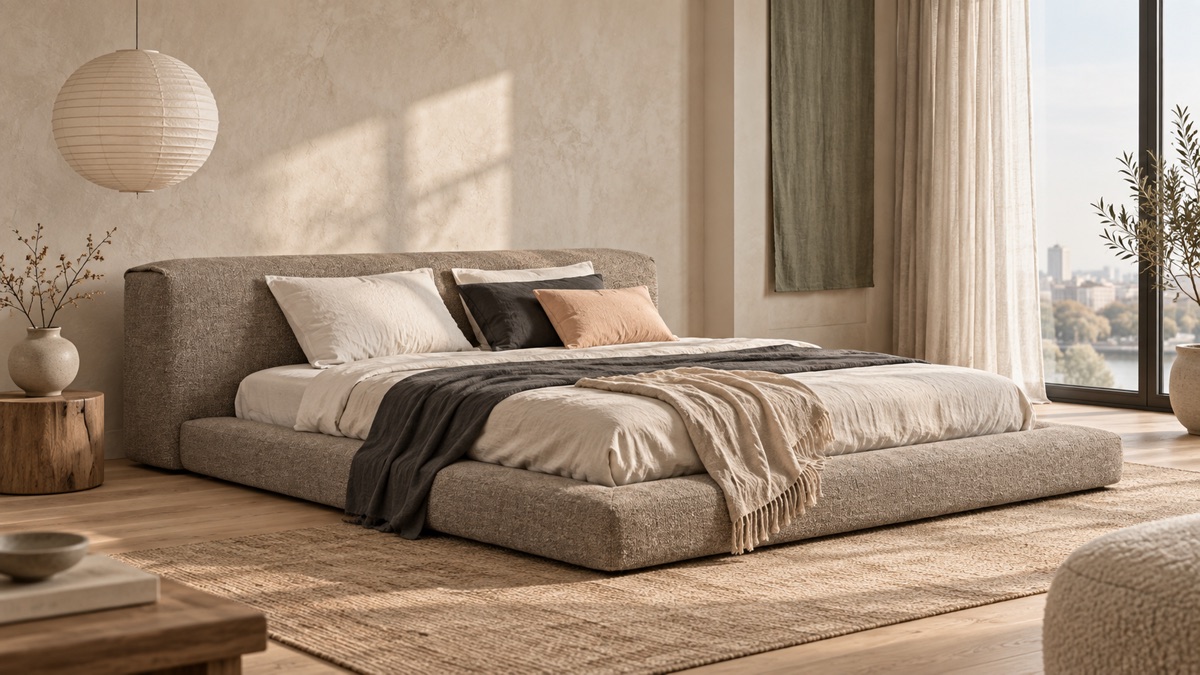
Japandi is a style that combines Japanese minimalism with the warmth of Scandinavian design. The result is an interior with few things, but each one well thought out: functional, attractive and made of natural materials.
Where Japandi came from
The name combines the words Japan and Scandi. From the Japanese tradition the style took a love of natural, slightly imperfect beauty, quiet and open space; from the Scandinavian — cosiness, light colours and practicality. That's why Japandi looks neither coldly ascetic nor cluttered and cosy: it's a balance between discipline and warmth.
The "less, but better" principle
At the heart of Japandi is doing without the unnecessary. Instead of lots of decor, you choose a few expressive pieces: one wooden armchair instead of three of different characters, a simple table instead of a collection of small accessories. This approach is practical too: fewer objects mean less cleaning and less visual noise.
A restrained natural palette
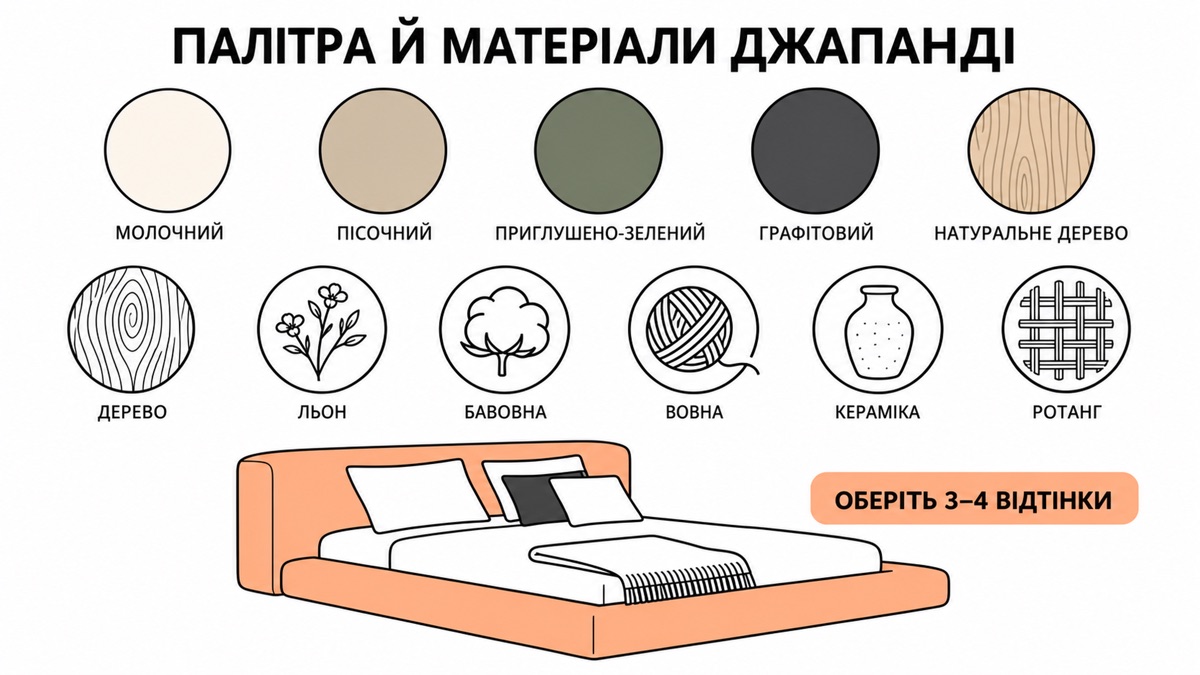
Colours: cream, sand, muted green, graphite and shades of natural wood. Bright accents are almost absent — interest comes from texture: untreated wood, linen fabrics. This echoes the 2025 trends.
Furniture for Japandi
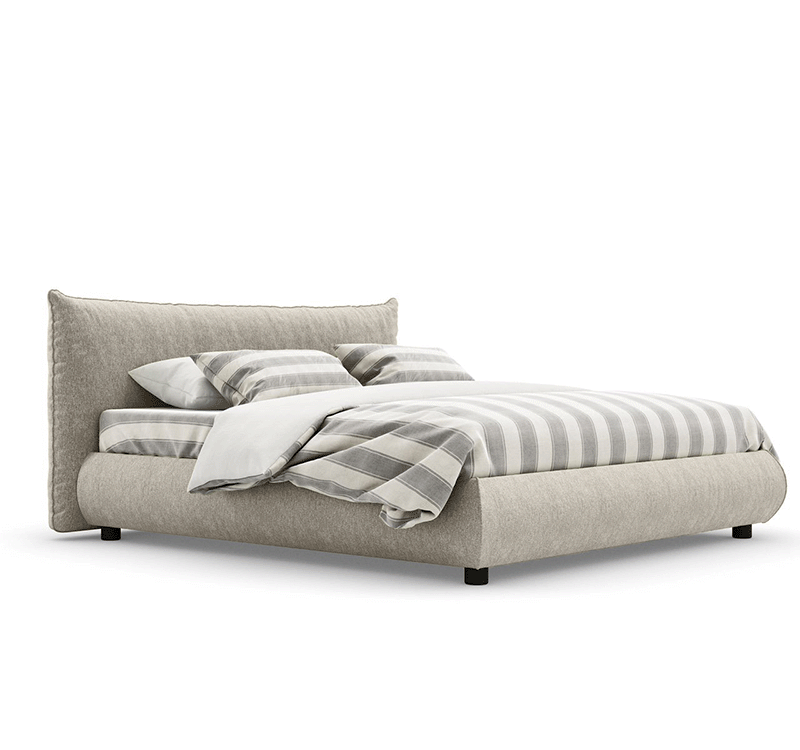
Go for low, squat silhouettes — beds and sofas without tall headboards, tables on slim wooden legs, open shelves instead of massive wardrobes with solid fronts.
Materials and textiles
The basis is natural or natural-looking materials: wood, linen, cotton, wool, ceramics, rattan. Choose matt, textured textiles, without gloss or large prints. A few cushions in fabrics of different textures in one colour range work better than one bright throw over the sofa. Wood is best left in its natural shade or stained in calm colours without a shiny varnish — gloss immediately knocks an item out of the style.
Common mistakes
- Confusing minimalism with emptiness. Japandi is about a few warm, tactile things, not bare walls.
- Glossy and chrome surfaces. They clash with the natural textures of the style.
- Too many colours. Stick to three or four close shades within a room.
- Tall, massive furniture. It "eats up" the air that creates the feeling of calm.

Where to start
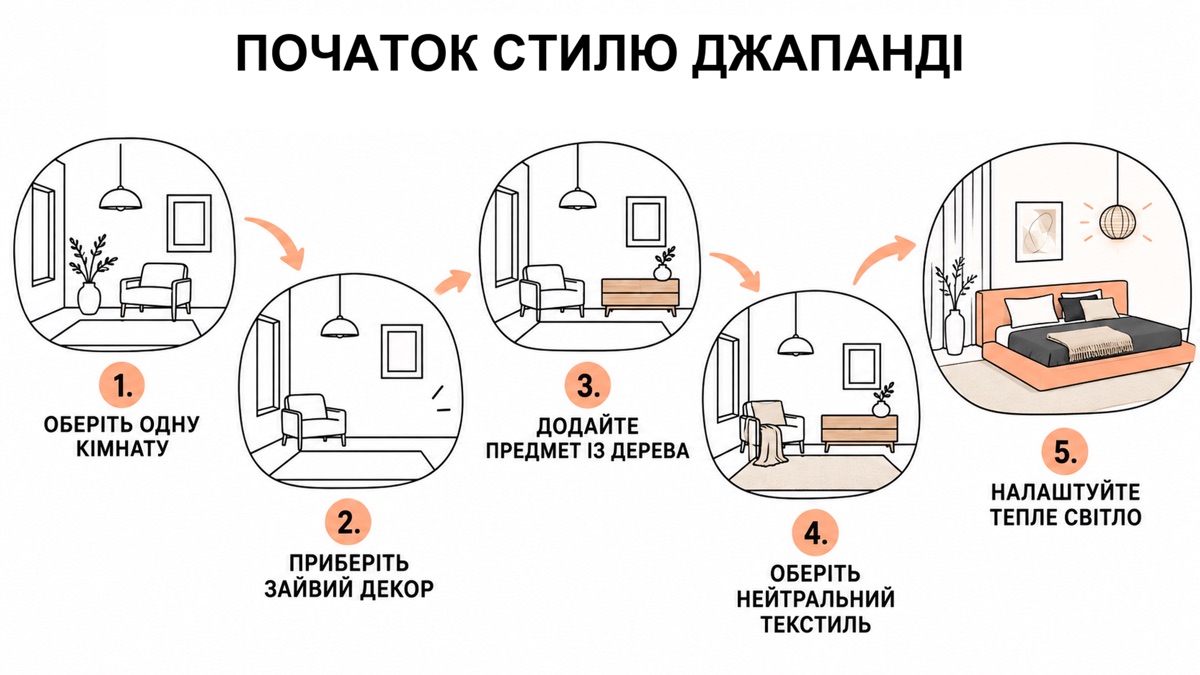
It's easier to start with one room: remove unnecessary decor, add one piece of furniture in natural wood and replace bright textiles with neutral fabrics in natural shades. Often this is enough to make the space feel calmer and more orderly. As a second step, look at the lighting: several sources of soft, warm light instead of one bright chandelier is a simple technique that does perhaps more than anything for a Japandi atmosphere.
In short
- Japandi is a balance of Japanese minimalism and Scandinavian cosiness.
- Fewer things, but each one functional and with character.
- The palette — natural, muted shades, with interest coming from texture.
- Furniture — low silhouettes, natural wood, open shelves.
- Start with one room: remove the unnecessary and add natural materials.
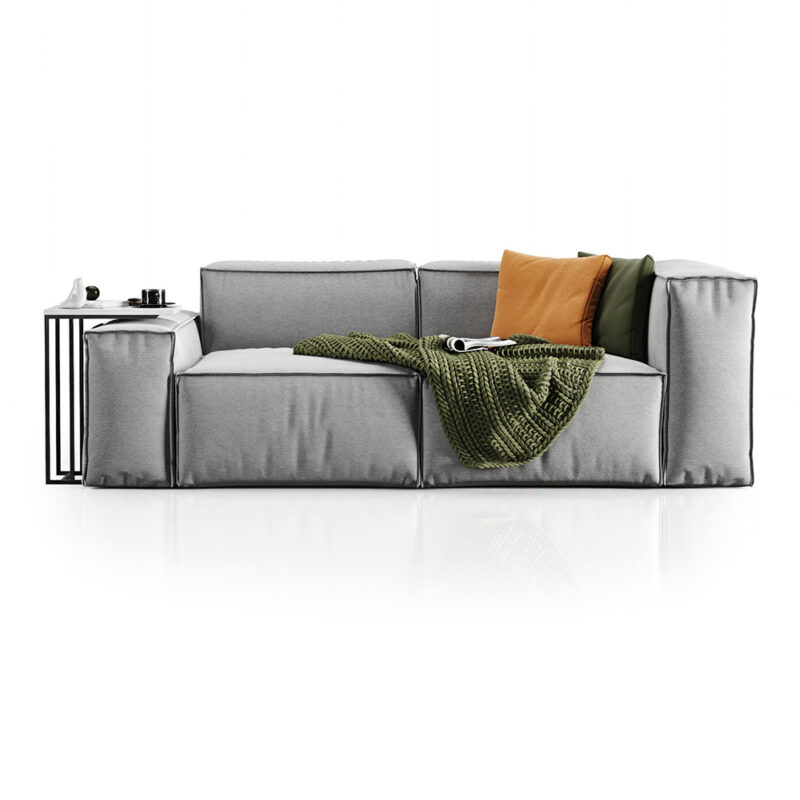
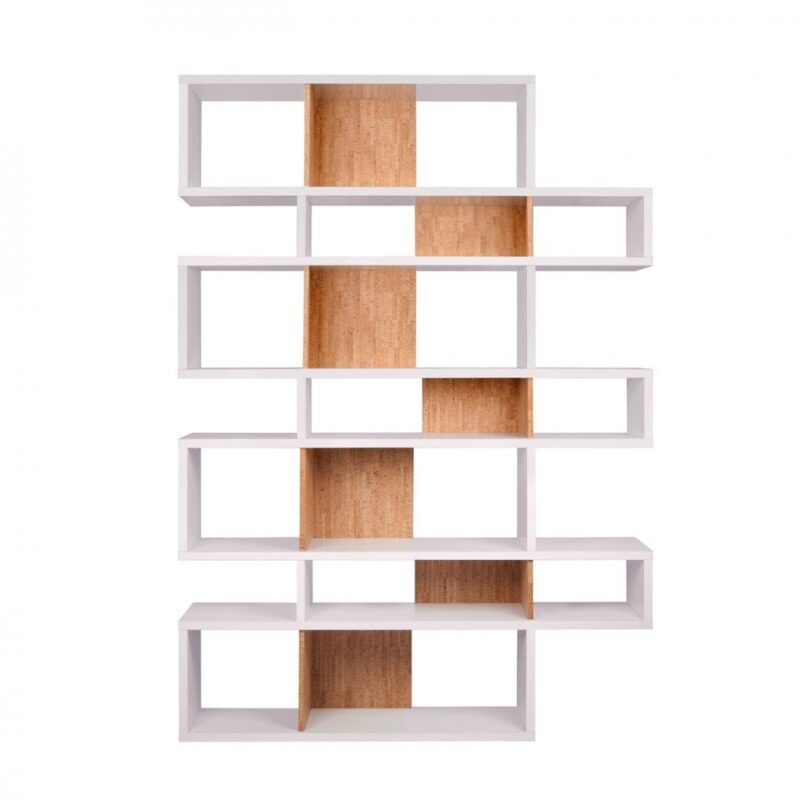
Create a calm Japandi-style interior with furniture in natural shapes and shades.
See beds →